Exploring Free Community College Programs in the USA for 2026
By: Pedro Batista on July 21, 2026
Introduction to Community College Programs
Community college programs in the United States serve as vital educational institutions that provide accessible and affordable post-secondary education. They primarily cater to a diverse population of students, ranging from recent high school graduates to adults seeking to further their education or obtain new skills. The primary purpose of community colleges is to offer a pathway to higher education while addressing the accessibility crisis facing many individuals who find traditional college options financially burdensome.
One of the defining features of community colleges is their commitment to affordability. Tuition costs at community colleges are significantly lower than those at four-year universities, which makes higher education attainable for a larger segment of the population. According to data from the American Association of Community Colleges, students attending community colleges paid approximately $3,700 in tuition fees for the academic year, which starkly contrasts with the roughly $10,000 to $15,000 charged by public four-year institutions.
In addition to their focus on cost, community college programs emphasize the quality of education. They offer a wide range of academic and vocational programs, allowing students to earn an associate degree, complete transfer credits to a four-year institution, or gain specific job-related skills. This flexibility supports students in reaching their educational and career goals, ultimately contributing to workforce development in various industries.
Accessible locations: Many community colleges are located within local communities, reducing travel barriers.
Wide range of programs: Courses cover liberal arts, sciences, and vocational training.
Support services: Academic advising and tutoring services are commonly available, promoting student success.
In conclusion, community college programs play a crucial role in the U.S. education system by enhancing accessibility and affordability while maintaining high educational standards. These institutions provide an essential means for millions of Americans to continue their education and improve their employability in a competitive job market.
The Rise of Free Community College Programs
Over the past few years, there has been a notable increase in the number of free community college programs across the United States. This trend is primarily driven by the recognition of the critical role that education plays in workforce readiness and economic growth. As more individuals seek affordable options for higher education, community colleges have emerged as a viable solution, particularly for students from low- to moderate-income backgrounds.
One of the primary motivations behind the establishment of these programs is the pressing need to reduce student debt. The burden of student loans has become a significant issue for many graduates, leading to financial instability and limiting their ability to invest in homes or save for retirement. By offering free community college, policymakers aim to alleviate this financial strain and provide students with a pathway to better job prospects without the fear of crippling debt.
In addition to addressing student debt, free community college programs are also aligned with the demands of the modern workforce. As industries continue to evolve due to technological advancements, there is an increasing need for skilled workers. Community colleges typically offer relevant training and education, making them a pivotal player in preparing students for high-demand jobs. For instance, fields such as healthcare, technology, and manufacturing often require specific skill sets that can be honed at community colleges.
State governments, along with federal initiatives, are responding to these needs by implementing programs designed to attract more students to community colleges. Various funded initiatives allow students to pursue their education at no cost, incentivizing enrollment while also ensuring that they acquire skills necessary for participating effectively in today’s economy. With these educational opportunities becoming more prevalent, the focus on enhancing workforce readiness will likely continue to flourish.
Current Free Community College Initiatives
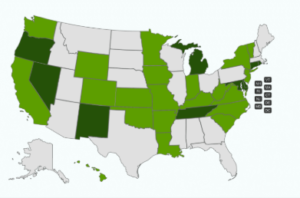
In recent years, numerous states across the United States have implemented free community college programs aimed at increasing access to higher education. These initiatives are tailored to help students alleviate financial burdens while also addressing workforce needs in various regions. Among the prominent programs are Tennessee Promise and California College Promise, each offering unique opportunities to their residents.
Tennessee Promise stands out as one of the first statewide initiatives designed to provide students with two years of tuition-free community college or technical school. This program is unique because it also includes mentorship opportunities, ensuring that students receive guidance throughout their educational journey. Tennessee Promise emphasizes the importance of community service, requiring applicants to complete eight hours of community service per term to remain eligible.
California College Promise is another significant initiative aimed at increasing college enrollment by alleviating financial barriers. California’s program provides tuition-free education for first-time, full-time students at community colleges, covering fees for up to two years. Additionally, the program includes comprehensive support services aimed at aiding student success, such as counseling and tutoring.
In addition to these programs, several other states are adopting similar measures:
Oregon Promise: Offers financial support for courses at community colleges, incentivizing students to complete their education.
New York’s Excelsior Scholarship: Covers tuition for students attending CUNY or SUNY institutions, provided their family income meets certain thresholds.
Michigan Reconnect: A program targeting adults seeking to earn a degree or skill certificate, offering tuition assistance regardless of prior educational attainment.
As these initiatives expand and evolve, they are positioned to make significant impacts on educational attainment rates across the country, fostering a new generation of skilled workers equipped to meet the demands of the modern economy. The ongoing conversation about free community college programs continues to shape various state policies, highlighting the essential role education plays in economic growth.
Eligibility Criteria for Free Community College Programs
Free community college programs are gaining prominence across the United States, offering financial relief to students seeking to further their education. However, understanding the eligibility criteria is essential for prospective applicants. Generally, students must meet several key requirements to qualify for these programs.
Residency Requirements: One of the primary criteria involves residency. Many states mandate that students must be residents of the state in which they are applying to benefit from free community college options. States often require documentation, such as a driver’s license or utility bill, to prove residency duration and status.
Academic Standards: Most programs have specific academic requirements, commonly a minimum Grade Point Average (GPA). For instance, students may need to maintain a GPA of 2.0 or higher. These standards ensure that students remain committed to their studies, thereby enhancing their chances of successful program completion.
Application Processes: Another critical aspect is the application process. Students typically need to fill out the Free Application for Federal Student Aid (FAFSA) to access various funding opportunities. Additionally, some community colleges might have their own application forms and deadlines, which must be adhered to for consideration.
Furthermore, certain programs may require specific commitments from students. For example, maintaining full-time enrollment or engaging in community service could be part of the stipulations. Some institutions may also consider other factors, such as financial need, contributing to the selection process.
In conclusion, while the prospect of free community college education is promising, understanding the eligibility criteria is vital for success. Potential students should meticulously review each program’s specific requirements to ensure they meet all conditions necessary for enrollment.
Benefits of Enrolling in Community College Programs
Community colleges offer an array of advantages that make them a compelling choice for students, particularly those considering free community college programs in the USA for 2026. One of the primary benefits is the significantly lower tuition costs compared to traditional four-year universities. This affordability allows students to reduce the financial burden associated with higher education, enabling more individuals to pursue their academic and career goals.
In addition to cost savings, students enrolled in community college programs gain access to valuable educational resources. Many community colleges provide cutting-edge facilities, including labs, technology centers, and libraries. Furthermore, students often receive personalized attention from instructors, who typically have extensive professional experience in their respective fields. This access to focused mentorship enhances the learning experience, promoting academic success and personal growth.
Another critical benefit is the opportunity for skill development. Community colleges typically offer a wide range of programs designed to align with local job markets, providing students with practical, hands-on training in high-demand fields. This approach not only equips students with relevant skills but also facilitates smoother transitions into the workforce or further studies. Additionally, many programs include opportunities for internships and apprenticeships, further enhancing students’ real-world experience.
Lower tuition costs help reduce financial burdens.
Access to personalized support and experienced instructors.
Relevant skills training aligned with job market demands.
Opportunities for internships that provide hands-on experience.
Moreover, community colleges promote inclusiveness and diversity, catering to various demographics. With the option to enroll in flexible classes—such as evening and online courses—students can work while studying, making education more attainable for everyone. Ultimately, enrolling in free community college programs can open the door to numerous opportunities, ensuring a brighter future.
Challenges Facing Free Community College Programs
As free community college programs gain popularity across various states in the USA, they face several challenges that could hinder their long-term success. Understanding these difficulties is essential for policymakers, educational institutions, and the communities they serve.
One of the primary challenges is funding. While the aim of these programs is to provide accessible education, securing ongoing financial support from state and federal budgets remains a significant concern. Many programs rely on government funding, which can fluctuate based on economic downturns or changes in political leadership. Consequently, there is a pressing need for sustainable financial strategies that involve local businesses and private institutions to help alleviate the funding burden.
Another potential issue is the competition with established four-year universities. As free community college programs entice students with no tuition costs, traditional institutions may experience a decline in enrollment. This could lead to a devaluation of community colleges if they are perceived as a lesser option. To mitigate this, community colleges must emphasize the quality and relevance of their programs, ensuring they meet industry demands and equip students with valuable skills.
Moreover, community support is paramount for the success of these initiatives. There is often a lack of awareness regarding free community college programs; many potential students may not know these options exist or understand their benefits. Increased outreach and marketing efforts are necessary to educate communities, particularly underrepresented groups, about available resources and opportunities that can aid their educational journey.
In conclusion, while free community college programs offer significant advantages for increasing educational access, they also face several obstacles that need to be addressed. Ongoing attention to funding strategies, competitive positioning, and community awareness will be key to ensuring these programs thrive and meet the needs of future students.
Future Trends and Predictions for 2026
As we approach 2026, the landscape of free community college programs in the United States is set to undergo notable transformations influenced by various political, economic, and social factors. The push for accessible education continues to grow, with the potential to alter the dynamics of higher education significantly.
One of the most significant political factors is the increasing emphasis on educational reform, particularly at the federal and state levels. Policymakers are recognizing the essential role of community colleges in providing affordable pathways to higher education and skills training. With bipartisan support for accessible education, it is predicted that several states will expand their existing programs or introduce new initiatives aimed at funding community college tuition free of charge.
Economically, as the job market continues to evolve, the demand for skilled workers is rising. Free community college programs may bridge the skills gap by equipping students with the necessary training in high-demand fields, such as healthcare, technology, and green energy. This alignment of education and employment needs is anticipated to foster economic growth and increase workforce participation.
Socially, the rising awareness of equity in education is likely to play a critical role. Expect to see a concerted effort to make community colleges not only more accessible but also inclusive, targeting underrepresented groups in higher education. Initiatives to provide support services, such as counseling and childcare, could enhance the enrollment and retention of diverse populations.
Political support for educational reform is on the rise.
The demand for skilled labor is shaping the focus of community colleges.
Social equity initiatives are expected to create more inclusive environments.
Additionally, advancements in technology are predicted to complement traditional educational methodologies, offering innovative training solutions that could be integrated into community college curriculums. These developments suggest that free community college programs, by 2026, will likely adapt to meet the changing needs of society and the economy.
How to Navigate Application Processes
Navigating the application processes for free community college programs in the USA can be daunting, yet with a systematic approach, students can enhance their chances of success. Understanding the specific prerequisites and required documentation is crucial as different colleges may have varied requirements.
Firstly, prospective students should research the community colleges they are interested in. Most institutions have dedicated webpages that outline their application processes, eligibility criteria, and deadlines. Key points to consider include:
Eligibility: Confirm eligibility requirements such as residency status or income levels.
Required documentation: Gather transcripts, identification, and proof of residency, as these are typically required.
Deadlines: Note application deadlines to avoid missing out.
Next, applying for financial aid can significantly boost one’s ability to afford education-related expenses, even in free programs. The Free Application for Federal Student Aid (FAFSA) is essential. Completing it not only opens doors to financial aid but can also be a requirement for some community college programs.
Furthermore, students should take advantage of various support resources available at community colleges. Admissions offices often provide guidance workshops, webinars, and one-on-one counseling sessions. Some excellent resources include:
Academic advisors: They can offer tailored advice on course selection and program requirements.
Current students or alumni: Seeking insight and tips from those who have successfully navigated the application can prove invaluable.
Finally, ensuring that all application materials are submitted accurately and on time is paramount. A final review of all documentation is advisable. Students might also consider following up with the admissions office post-application submission to confirm receipt of all materials.
Conclusion and Call to Action
As we’ve explored throughout this blog post, free community college programs represent a significant commitment to education accessibility across the USA by the year 2026. By eliminating the financial barriers traditionally associated with higher education, these programs offer a viable pathway for prospective students from diverse backgrounds. The potential benefits of enrolling in a community college are manifold, including reduced student debt, the opportunity to earn credentials in high-demand fields, and a foundation for further academic pursuits.
One of the paramount advantages of free community college is the ability to gain valuable skills tailored to the local job market. This educational model also fosters greater equity in education, enabling low-income and marginalized groups to access higher education opportunities that were previously out of reach. Furthermore, community colleges often provide flexible scheduling and tailored learning experiences, accommodating both traditional and non-traditional students.
In light of these benefits, we encourage all readers, especially those contemplating their educational journey or considering a career change, to investigate these free community college programs thoroughly. Visit institutions in your area, inquire about course offerings, and consider how these opportunities align with your career objectives.
As we look toward the future, it is essential to engage in dialogue about the evolving landscape of education, advocate for policies that enhance educational accessibility, and share resources that inform and empower individuals to pursue their academic goals.
Your action today can shape not only your future but also that of your community. Explore your local community college and take the first steps toward a brighter tomorrow. The opportunity for a transformative educational experience awaits you!
Pedro Batista Holds a degree in Communication with a specialization in Digital Marketing strategies. Working as a writer, he creates well-researched content, transforming complex information into accessible and engaging articles for a wider audience.