Budgeting Apps USA 2026: Tools to Manage Spending and Save More
By: Pedro Batista on July 21, 2026
Introduction to Budgeting Apps
In recent years, the concept of budgeting apps has gained significant traction in the United States. As individuals and families increasingly seek effective tools for managing their finances, these applications have emerged as vital resources for tracking expenses, managing budgets, and setting savings goals. The growth of budgeting apps can be attributed to several factors, including advancements in technology, the rise of smartphones, and an increasing awareness of financial literacy.
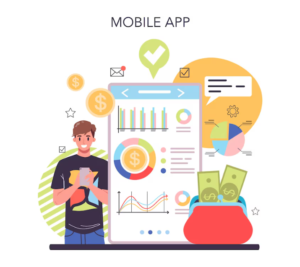
Budgeting apps simplify the budgeting process, streamlining finances for users through intuitive interfaces and innovative features. Individuals can effortlessly monitor their spending habits, categorize expenses, and gain insights into their financial behaviors. By utilizing these tools, users develop a clearer understanding of their overall financial situation, which ultimately empowers them to make informed decisions about their money.
Among the key benefits of budgeting apps is the ability to set and track savings goals effectively. Most of these applications allow users to define specific financial objectives, whether that be saving for a vacation, building an emergency fund, or paying off debt. As users monitor their progress, budgeting apps provide visual cues and notifications that encourage them to remain on target, thus enhancing the likelihood of achieving their desired savings.
Technological advancements have also played a crucial role in the development of budgeting apps. The integration of data analytics, machine learning, and artificial intelligence has led to more personalized financial tools, catering to the unique financial needs of users. Additionally, the increasing security measures implemented in these apps foster consumer trust, allowing more individuals to comfortably manage their finances through digital means.
As we approach 2026, the popularity of budgeting apps is expected to continue rising, fundamentally transforming how Americans engage with and understand their financial lives.
Why You Need a Budgeting App in 2026
In today’s financial landscape, the significance of budgeting apps cannot be overstated. With the rising costs of living, more consumers find themselves seeking effective methods to manage their finances. After all, the constant fluctuation in prices of essential goods and services can easily lead to overspending, making it critical to track every dollar spent.
Moreover, financial literacy is increasingly becoming a priority. A significant portion of the population lacks basic knowledge on managing money, investments, and saving strategies. Budgeting apps serve as impactful educational tools, providing users with insights into their spending habits, thereby fostering a better understanding of personal finance principles. These apps often come equipped with features that break down expenses by categories, allowing users to visualize where their resources are going.
In the current fast-paced environment, consumers must take charge of their finances. Previously, maintaining a budget often required manual tracking and meticulous record-keeping. However, budgeting apps automate this process, making it more accessible. Users can seamlessly log transactions, receive alerts for upcoming bills, and set spending limits to maintain their financial health. This level of engagement empowers individuals to not only track their spending but to also identify areas where they can save.
Real-time tracking: Monitor finances on the go.
Goal setting: Set and achieve savings goals.
Spending analysis: Gain insights into spending patterns.
Moreover, many budgeting apps offer functionalities, such as linking to bank accounts and providing personalized tips based on user behavior. These features provide an enhanced approach to saving money, reflecting a comprehensive method to improve one’s financial literacy effectively. Given the upward trajectory of living expenses, utilizing these innovative resources is advisable for anyone looking to achieve financial stability.
Key Features of Modern Budgeting Apps
As budgeting apps continue to evolve, it becomes essential for users to select tools that not only simplify financial management but also enhance their ability to save effectively. One of the foremost features to look for in a modern budgeting app is bank account syncing. This capability allows users to link multiple accounts seamlessly, providing a comprehensive overview of their finances in real time. Such integration reduces the need for manual entry, allowing for more accurate tracking of spending and saving goals.
Another vital feature is spending categorization. Effective budgeting requires an understanding of where money is allocated each month. By categorizing expenses automatically (e.g., groceries, utilities, entertainment), users can pinpoint areas where they may overspend. Many apps also allow customization of categories to fit individual lifestyles better, which can lead to more personalized financial management insights.
Goal setting is also an integral component of modern budgeting apps. Features that facilitate establishing savings goals, such as vacation funds or emergency savings, help users stay motivated and accountable. A visual progress tracker often accompanies this feature, allowing users to see how close they are to achieving their financial objectives.
Moreover, automatic expense tracking further simplifies the budgeting process. This functionality allows users to monitor their expenses without constant manual input, by automatically recording transactions synced from their linked bank accounts. This can drastically improve budget accuracy and reliability.
Finally, reporting tools, such as financial snapshots and spending trends, help users understand their economic habits over time. By presenting data in charts or graphs, these tools can clarify spending patterns, aiding in more informed financial decisions moving forward.
In conclusion, modern budgeting apps equipped with these features — bank account syncing, spending categorization, goal setting, automatic expense tracking, and reporting tools — contribute significantly to effective budgeting. They empower users to manage their finances efficiently and encourage a proactive approach to savings.
Top Budgeting Apps in the USA for 2026
As personal finance management becomes increasingly important, several budgeting apps have emerged as popular tools in the USA for 2026. These applications cater to a variety of financial needs and preferences, facilitating effective spending management and savings.
1. Mint
Mint has been a longstanding favorite among budgeting apps. It offers users the ability to track spending, categorize transactions, and view all accounts in one place. Mint is free to use, supported by ads, and it boasts a user-friendly interface. Users appreciate its comprehensive budgeting features, including automated alerts for overspending.
2. YNAB (You Need A Budget)
YNAB stands out for its proactive budgeting approach. It requires users to assign every dollar a job, emphasizing planning ahead rather than tracking past spending. The app has a subscription fee but is known for empowering users to take charge of their finances. User reviews often highlight the educational resources YNAB offers, which can be particularly helpful for financial novices.
3. PocketGuard
With the focus on simplicity, PocketGuard helps users understand how much they can spend by linking bank accounts and tracking expenses. Its user-friendly dashboard displays available funds after accounting for bills, goals, and necessities. PocketGuard offers a free version with essential features and a paid version that adds advanced capabilities.
4. EveryDollar
Created by financial expert Dave Ramsey, EveryDollar implements a zero-based budgeting method, encouraging thorough financial planning each month. The app has a free version, while those seeking more features can upgrade to the Plus tier for a nominal fee. User feedback often praises its straightforward setup and integration with bank accounts.
5. GoodBudget
GoodBudget embraces the envelope budgeting system, allowing users to set aside virtual envelopes for different categories. It’s available on iOS and Android devices and supports syncing across multiple devices. While the app has a free version, a paid model offers expanded features suitable for larger households.
These discerning choices reflect a mix of established and emerging budgeting tools, each with unique capabilities that cater to various user preferences. As budgeting apps continue to evolve, it’s essential for consumers to choose one that aligns best with their financial habits and goals.
How Budgeting Apps Help with Savings Goals
Budgeting apps are increasingly becoming essential tools for individuals aiming to enhance their financial literacy and manage their personal finances effectively. One of the primary benefits of these applications is their capability to assist users in setting and achieving savings goals. By seamlessly tracking income and expenditures, budgeting apps provide users with a clear financial overview that is crucial for informed decision-making.
Setting specific savings goals is vital for preparing for future financial needs such as vacations, emergency funds, and retirement plans. With features designed to facilitate these processes, budgeting apps allow users to establish realistic targets based on their income and spending habits. To illustrate, when a user wishes to save for a vacation, the app can suggest a monthly savings amount and provide a timeline for reaching that goal.
Additionally, many budgeting apps come equipped with robust tracking functionalities. These features enable users to monitor their progress toward their savings goals in real-time. Some popular capabilities include:
Goal-setting tools: These allow users to set specific amounts and deadlines for each financial objective, providing clarity and direction.
Progress tracking: Users can visualize their progress through graphs and charts, which highlight how much they have saved versus their target.
Notifications and reminders: Alerts can be set up to notify users when they approach their budget limits or when payments are due, ensuring that they stay on track.
Moreover, these apps often integrate with various financial institutions, facilitating real-time data synchronization. This immediate feedback helps users make necessary adjustments to their spending habits, thereby enhancing their ability to reach savings goals effectively.
In conclusion, budgeting apps play a pivotal role in promoting financial responsibility and aiding users in setting and achieving their savings goals. By utilizing these tools, individuals can better prepare for upcoming expenses and foster healthier financial behaviors.
Case Studies: Success Stories with Budgeting Apps
How Budgeting Apps Help People Reach Financial Goals
Budgeting apps have transformed the financial habits of many users, enabling them to gain better control over their spending and savings. The following examples demonstrate how individuals used these tools to improve their financial wellbeing and achieve important personal goals.
Paying Off Credit Card Debt with Better Budgeting
One notable case is that of Sarah, a single mother from Texas. Before using a budgeting app, she struggled with growing credit card debt. After downloading a budgeting application, Sarah was able to monitor her monthly expenses more accurately, set debt repayment goals, and track her progress over time. Within a year, she successfully paid off $5,000 in credit card debt, giving her greater financial confidence and peace of mind. She described the experience as “a complete turnaround that I never thought was possible.”
Saving for Education Through Smart Money Management
Another inspiring example is Mark, a college student who wanted to save for a study abroad program. Using a budgeting app, he organized his part-time income into spending and savings categories. By consistently setting aside 20% of his monthly earnings, Mark built enough savings over two years to spend an entire semester studying in Italy. According to Mark, “The app made saving fun and attainable, turning my dream into a reality.”
Managing Household Finances as a Couple
Amy and Jake, a dual-income couple from California, used a budgeting app to better manage their household finances. They created shared budget categories for living expenses, savings, and entertainment, allowing both partners to monitor spending and plan together. This collaborative approach improved financial transparency and strengthened their communication. As Amy explained, “We learned to plan together, and it has deepened our partnership.”
What These Success Stories Teach About Budgeting Apps
These real-life examples demonstrate how budgeting apps can support a wide range of financial goals, from eliminating debt and increasing savings to improving household money management. With features such as expense tracking, savings goals, and spending insights, budgeting apps provide practical tools that help users make informed financial decisions and build healthier money habits.
Challenges of Using Budgeting Apps
Despite the numerous benefits associated with budgeting apps, users often encounter various challenges that can hinder their effectiveness. These obstacles can range from technical difficulties to concerns about data privacy.
One of the primary challenges is the technical issues that can arise while using budgeting apps. Users may experience software bugs, app crashes, or connectivity issues, which can disrupt their financial tracking and lead to frustration. Ensuring that the app is regularly updated and compatible with their devices can mitigate some of these issues.
Another significant challenge is the learning curve that new users face when adopting a budgeting app. Many budgeting tools come with an array of features that require familiarization. For individuals who are not technologically inclined, this may lead to misunderstandings and improper usage of the app. Comprehensive tutorials and customer support can help ease this transition and enhance user experience.
Data privacy and security are also critical concerns. Users often worry about how their personal information is stored and whether it can be accessed by unauthorized parties. Opting for apps that utilize robust encryption technologies and have transparent privacy policies can help mitigate these worries. Furthermore, regularly reviewing the app’s security settings and permissions can empower users to protect their financial data more effectively.
Lastly, there is a risk of becoming overly reliant on digital budgeting tools. While budgeting apps offer convenience, dependence on technology for financial management might inhibit users from developing a comprehensive understanding of their spending habits. It is essential for users to maintain a balance between digital tools and traditional budgeting methods to ensure they remain in control of their financial well-being.
Future Trends in Budgeting Apps
The landscape of budgeting apps is evolving rapidly, particularly in light of the advancements in technology and changing consumer preferences. As we look beyond 2026, it is anticipated that budgeting apps will increasingly integrate artificial intelligence (AI) to enhance user experience significantly. AI-powered algorithms will enable these applications to analyze spending behaviors more accurately, providing users with personalized financial advice tailored to their unique habits and goals. This transition towards intelligent budgeting solutions is not merely about automation; it aims to cultivate a deeper understanding of users’ financial status and empower informed decision-making.
Moreover, the rise of globalization has intensified the need for multi-currency options within budgeting apps, especially for frequent travelers or expatriates. By incorporating features that support various currencies, these apps will facilitate seamless financial management across borders. Users will be able to track expenditures in their local currency while maintaining an overview of their overall budget, thus promoting better international spending habits.
Security remains a paramount concern for users engaged in digital finance. As budgeting apps continue to evolve, it is expected that there will be a stronger focus on enhanced security features. Innovations such as biometric authentication, encrypted transactions, and enhanced privacy settings will be integral to safeguarding users’ financial data. These robust security measures not only instill confidence in the app but also align with users’ increasing demand for protection against data breaches and fraud.
In addition to these technological advancements, budgeting apps will likely become more user-centric, featuring intuitive designs that enhance usability. This will combine with educational content to foster financial literacy among users, helping them understand budgeting strategies and savings techniques.
With the convergence of AI capabilities, multi-currency support, and heightened security protocols, the future of budgeting apps promises to deliver unprecedented tools that will transform how individuals manage their finances.
Frequently Asked Questions
What are budgeting apps?
Budgeting apps are digital tools designed to help individuals manage their personal finances by tracking income, monitoring expenses, setting savings goals, and creating spending plans. These apps provide users with a clearer view of their financial habits and help them make more informed money decisions.
Why should I use a budgeting app in 2026?
Budgeting apps can make financial management easier by automating expense tracking, providing real-time spending insights, and helping users stay organized. With rising living costs and changing financial priorities, these tools can support better saving habits and improved money management.
What features should I look for in a budgeting app?
Important features to consider include:
Automatic expense tracking
Budget creation and customization
Savings goal tools
Bill payment reminders
Spending reports and analytics
Bank account synchronization
Security features such as encryption and authentication
The best features depend on your personal financial goals and budgeting needs.
Are budgeting apps safe to use?
Most reputable budgeting apps use security measures such as encryption, authentication tools, and secure connections to protect user information. Before choosing an app, review its privacy policies, security features, and reputation to ensure your financial data is handled safely.
Can budgeting apps help me save more money?
Yes. Budgeting apps can help users identify unnecessary spending, set savings targets, and monitor progress toward financial goals. By providing a clearer picture of where money goes each month, these tools can encourage more disciplined spending habits.
Do budgeting apps connect to my bank account?
Many budgeting apps offer optional bank account synchronization, allowing users to automatically import transactions and categorize expenses. Users should review the app’s security practices before connecting financial accounts.
Are free budgeting apps effective?
Free budgeting apps can provide useful features such as expense tracking, budgeting tools, and basic financial insights. However, premium versions may offer additional features like advanced reports, investment tracking, personalized recommendations, or expanded account connections.
Which budgeting app is best for beginners?
The best budgeting app for beginners depends on individual preferences and financial goals. Users should look for apps with simple interfaces, easy expense tracking, educational resources, and features that match their budgeting style.
Can budgeting apps improve financial literacy?
Yes. Many budgeting apps include educational content, spending analysis, and personalized insights that help users better understand financial concepts such as budgeting, saving, and responsible money management.
How do I choose the right budgeting app?
Consider factors such as ease of use, available features, subscription costs, security measures, compatibility with your financial accounts, and your specific goals. Comparing different apps can help you find the option that best supports your financial planning strategy.
Conclusion and Recommendations
In the exploration of budgeting apps available in the USA for 2026, several critical aspects have been made clear. First, these tools are fundamentally designed to assist users in managing their spending effectively and, ultimately, saving more. By offering features such as expense tracking, financial goal setting, and personalized budgeting analysis, they cater to a diverse range of financial situations and preferences.
One of the primary recommendations is for users to assess their unique financial needs before selecting a budgeting app. Features vary significantly from one app to another. Some focus on automated savings, while others excel in providing comprehensive insights through analytics. Therefore, potential users should consider the following criteria:
User experience: The interface should be easy to navigate, which enhances usability.
Features: Determine necessary features based on personal goals, such as investment tracking or bill reminders.
Cost: Evaluate the pricing structure, as some apps offer free versions, while others require subscriptions.
Security: Ensure that the app adheres to the highest security protocols to protect personal financial data.
Furthermore, one yearn for ease of integration with other financial services and accounts, which can further streamline budgeting processes. It is also beneficial to keep abreast of reviews and comparisons, providing insights from other users regarding the efficiency of different applications.
Overall, the right budgeting app can be pivotal in nurturing better financial habits and establishing robust saving strategies. Readers are encouraged to take proactive steps in choosing a budgeting application tailored to their circumstances, ultimately leading to optimal financial management.
Pedro Batista Holds a degree in Communication with a specialization in Digital Marketing strategies. Working as a writer, he creates well-researched content, transforming complex information into accessible and engaging articles for a wider audience.