Investment Apps USA 2026: Beginner-Friendly Tools for Building Wealth
Introduction to Investment Apps
In recent years, investment apps have surged in popularity, particularly among beginner investors in the United States. These mobile applications provide users with an accessible platform to manage various investments directly from their smartphones, thereby democratizing the investment landscape. The ease of use and convenience offered by these digital tools has made them an appealing option for many individuals looking to build wealth.
Investment apps typically allow users to buy and sell stocks, ETFs, and other financial instruments with just a few taps. This immediate access to trading offers a range of benefits:
- Accessibility: Users can invest anytime and anywhere, breaking down barriers associated with traditional investing.
- User-Friendly Interfaces: Many apps have simple, intuitive designs, making them ideal for novice investors who may feel overwhelmed by complex investing platforms.
- Low Fees: Frequently, investment apps offer lower or zero commission fees compared to traditional brokerage services, allowing more funds to remain invested.
Moreover, investment apps often come equipped with educational resources, such as tutorials, articles, and market updates, which can be beneficial for those just starting. These resources foster a greater understanding of the financial markets and investment strategies, enhancing users’ decision-making capabilities.
The rise of investment apps aligns with the increasing trend of financial literacy among younger generations, who are keen to take control of their financial futures. With the overall integration of technology in daily life, more individuals are turning to these platforms to grow their portfolios without the need for extensive prior experience.
As we look towards 2026, the role of investment apps is likely to become even more significant. As these tools evolve, their ability to cater to the needs of beginner investors will play a crucial role in shaping the future of personal finance.
Why Use Investment Apps?
Lower Barriers to Start Investing
Investment apps have transformed the way individuals participate in financial markets, especially those who are new to investing. These platforms make investing more accessible by reducing many of the barriers traditionally associated with opening brokerage accounts.
One of the biggest advantages of investment apps is the ability to start with a small amount of money. While traditional investment platforms often required larger initial deposits, many modern apps allow users to begin investing with just a few dollars. This affordability enables more people to explore investing regardless of their financial background.
Educational Resources for Beginner Investors
Another important benefit of investment apps is the availability of educational tools designed to improve financial knowledge. Many platforms provide tutorials, articles, videos, and interactive learning resources that help beginners understand essential investment concepts.
In addition, features such as market updates, real-time data, and personalized insights allow users to make more informed decisions. These tools help investors develop stronger financial habits while gaining confidence in managing their portfolios.
Access to Diverse Investment Opportunities
Investment apps have also expanded access to financial products that were previously more difficult for everyday investors to reach. Through simple interfaces and automated investing features, users can explore different asset classes, including stocks, bonds, exchange-traded funds (ETFs), and other investment options.
This accessibility allows beginners to create more diversified portfolios, helping them spread risk and develop long-term wealth-building strategies.
Convenient Mobile Investing Experience
The convenience of mobile investing is another major reason why these apps have become popular. Investors can monitor their portfolios, research opportunities, and complete transactions directly from their smartphones.
Unlike traditional investing methods that may depend on business hours or broker assistance, mobile platforms allow users to manage investments whenever they choose. This flexibility helps investors react more quickly to market changes and stay engaged with their financial goals.
Building Wealth Through Accessible Investing Tools
Investment apps provide beginners with an efficient way to enter the world of investing by combining affordability, education, and convenience. With lower costs, user-friendly features, and access to diverse investment opportunities, these platforms are helping more people take control of their financial futures and begin building long-term wealth.
Key Features of Beginner-Friendly Investment Apps
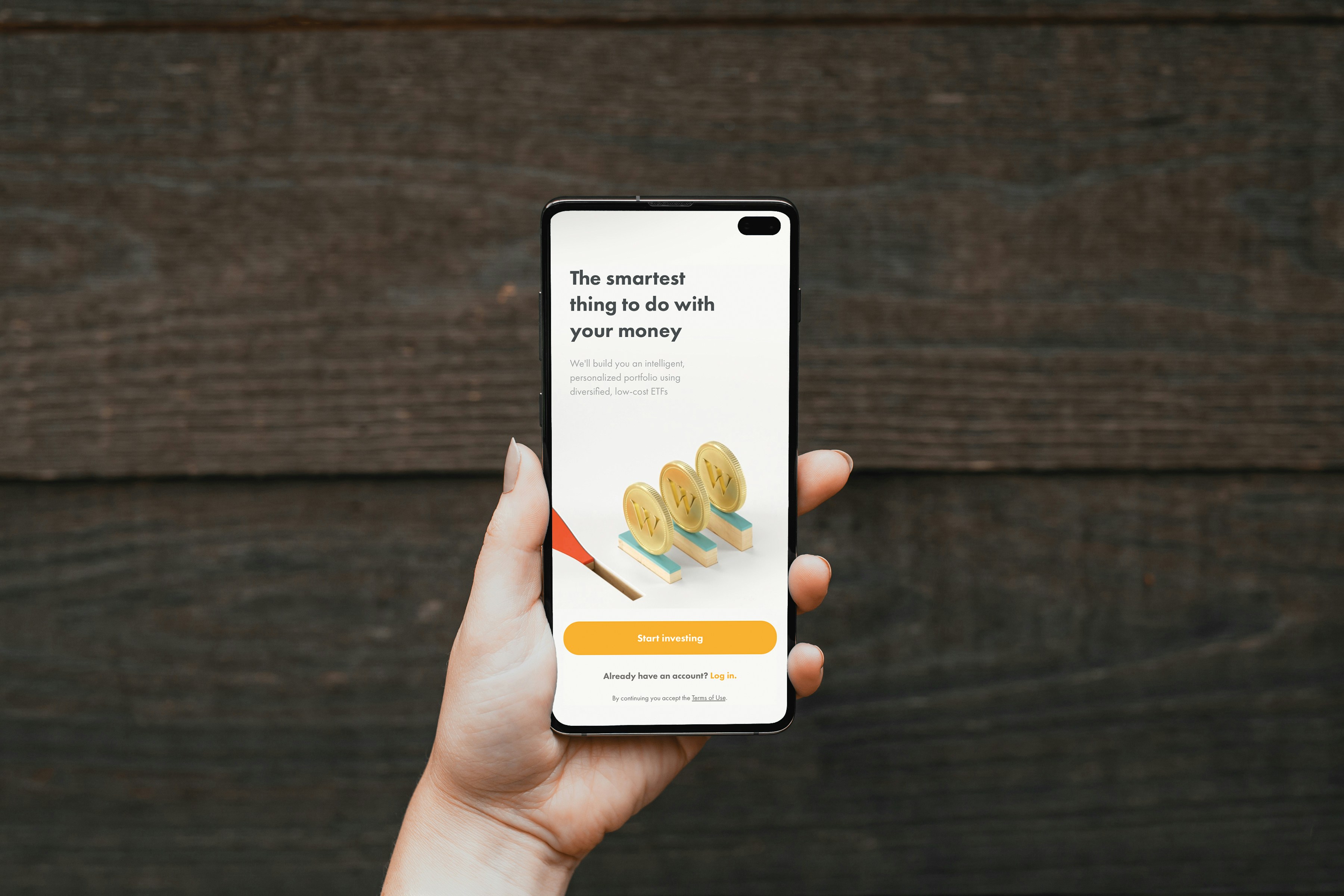
Investment apps have gained significant attention, especially among those new to the financial markets. For beginners, choosing the right platform can mean the difference between a smooth entry into investing and a frustrating experience. Here are essential features that make an investment app beginner-friendly:
- User-Friendly Interfaces: Investment apps specifically tailored for beginners often feature streamlined interfaces. Intuitive designs help users navigate the app effortlessly, reducing the learning curve and making investing accessible even for those with limited experience.
- Effective Customer Support: A responsive and knowledgeable customer support system is crucial. Beginner investors may have questions or encounter issues, so having access to live chat, phone support, or comprehensive FAQ sections is beneficial. This feature adds a layer of comfort for newcomers in the investment world.
- Educational Tools: Investment apps that include tools and resources for education significantly enhance user experience. Features like tutorials, webinars, and articles help beginners understand market concepts, investment strategies, and risk management, empowering them to make informed decisions.
- Automated Portfolio Management: Many beginner-friendly apps offer robo-advisors or automated portfolio management tools. These features analyze user preferences and risk tolerance, creating a customized investment strategy that requires minimal input, making it easier for beginners to get started.
- Diversified Investment Options: A good investment app allows users to explore a wide array of investment options, from stocks and bonds to ETFs and real estate investments. This diversity encourages beginner users to create balanced portfolios that align with their financial goals while minimizing risks.
Taking these features into consideration can notably simplify the investment journey for newcomers, fostering confidence and promoting better financial literacy overall.
Top Investment Apps to Consider in 2026
As the investment landscape continues to evolve, several apps are poised to cater to beginner investors effectively in 2026. These platforms offer a range of features designed to simplify investing, facilitate financial literacy, and ensure accessibility.
1. Robinhood Robinhood has been a front-runner in the investment app space, known for its user-friendly interface and commission-free trading. This platform enables users to invest in stocks, ETFs, and cryptocurrencies with ease. In 2026, Robinhood is expected to enhance its educational resources, focusing on improving user understanding of stock market dynamics.
2. Acorns Acorns automates investing by rounding up users’ purchases and investing the spare change. It appeals particularly to beginners as it offers a hands-off approach to wealth building. The app also plans to increase its sustainable investment options, appealing to socially conscious investors looking for eco-friendly portfolios.
3. Stash Stash stands out by allowing users to start investing with as little as $5. Its educational tools help users understand investing principles, thereby fostering informed investment decisions. By 2026, Stash aims to improve upon its customizable portfolios to provide tailored investment experiences for novice investors.
4. Betterment Betterment is an automated investing service utilizing robo-advisors to manage portfolios based on an individual’s risk tolerance. It offers services such as tax-loss harvesting and automatic rebalancing, catering to investors seeking a hands-off investment strategy. In the coming years, Betterment plans to enhance its goal-setting features, helping users visualize their financial objectives.
5. Webull Webull is favored for its advanced trading tools, catering to those looking to take a step beyond basic investing. While it may seem daunting for beginners, its educational features are expected to improve in 2026, providing users with robust market analysis tools.
These investment apps exemplify the shift toward a more inclusive investing environment, ensuring that new investors are equipped with the necessary tools to build wealth confidently. By leveraging these platforms, beginners can take meaningful strides in their financial journeys.
How to Get Started with Investment Apps
Investing with an app can be a straightforward process, especially for beginners who aspire to build their wealth efficiently. First and foremost, selecting the right investment app is crucial. There are numerous options available, each with unique features tailored for different levels of investment experience and types of investment products. Consider factors such as fees, user ratings, investment options, and educational resources offered by the app.
Once you have chosen an app, the next step is to create an account. This typically involves providing personal information such as your name, email address, and social security number. Many platforms also require you to complete a risk assessment to tailor investment suggestions to your profile. After submitting your registration details, be prepared to verify your identity, often involving the uploading of a government-issued ID.
Funding your account is the next essential step. Most investment apps offer various funding methods, including linking your bank account, transferring funds via ACH (Automated Clearing House), or even using debit/credit cards. Ensure you have sufficient funds before you initiate your investment journey.
Understanding the app’s interface is essential before you start investing. Spend time exploring the features provided, such as performance tracking, transaction history, and market insights. Familiarize yourself with the navigation by viewing tutorials or help sections that many apps provide. This will enhance your overall experience and help avoid common pitfalls.
Additionally, take advantage of educational content, webinars, or community forums that can further assist you in navigating your first investments. Effective investment requires not only utilizing the app but also understanding market trends and personal finance fundamentals. Transitioning smoothly into investing can lead to substantial financial growth over time.
Common Mistakes to Avoid When Using Investment Apps
Investment apps have become increasingly popular among beginners looking to build their wealth. However, there are several common mistakes that users often encounter that can hinder their progress. Understanding these pitfalls can help novice investors navigate their financial journey more effectively.
One of the most significant mistakes is emotional trading. Many new investors allow their feelings to dictate their trading decisions, leading to impulsive actions during market fluctuations. This can result in buying high and selling low, which ultimately erodes potential profits. To avoid this mistake, it’s essential to establish a disciplined investment strategy that prioritizes long-term goals, rather than short-term emotions.
Another prevalent issue is neglecting research. Beginners may often rely solely on the information provided by the app or popular financial news, leading to uninformed decisions. It is crucial to conduct thorough research on companies, sectors, and market trends before making any investment. A well-informed investor is more likely to make sound choices that align with their financial objectives.
Furthermore, failing to set clear financial goals can lead to confusion and lack of direction in the investment process. Beginners should establish specific, measurable, achievable, relevant, and time-bound (SMART) goals to guide their investments. This structured approach not only enhances focus but also enables better tracking of progress over time.
Lastly, overlooking the importance of diversification can be detrimental. Investing all funds in one sector or stock increases risk. Beginners are advised to diversify their portfolio across various asset classes and sectors to mitigate potential losses.
By being aware of these common mistakes and implementing strategies to avoid them, beginner investors can harness the full potential of investment apps while minimizing risks.
Building a Diversified Portfolio Using Apps
For beginners venturing into the world of investing, the significance of building a diversified portfolio cannot be overstated. Diversification involves spreading investments across various asset classes to reduce risk and enhance the potential for returns. Investment apps provide accessible tools for individuals to establish a balanced portfolio with relative ease.
When utilizing investment apps, users can leverage features such as automated asset allocation, which helps them understand how to distribute their capital among different types of investments. This can include stocks, bonds, ETFs (Exchange-Traded Funds), and mutual funds. Here are a few tips to guide beginners in creating a diversified portfolio:
- Understand Risk Tolerance: Assess your risk tolerance before investing. This informs your choice of assets and helps balance potential returns with acceptable risk levels.
- Explore Various Asset Classes: Incorporate different asset types to mitigate risks. A combination of stocks for growth, bonds for stability, and possibly real estate can present a strong foundation.
- Consider Geographic Allocation: Invest in both domestic and international markets. Global investments can safeguard against local economic downturns.
- Utilize Robo-Advisors: Many investment apps offer robo-advisory services. These tools analyze your financial goals and automatically create a diversified portfolio tailored to your needs.
Additionally, beginners should examine the expense ratios and track records of funds before committing their resources. This diligence ensures a wise investment approach while utilizing app functionalities that facilitate diversification.
As investing becomes increasingly digital, leveraging apps can offer an efficient avenue for constructing a well-rounded portfolio. Remember to periodically review and rebalance your investments to maintain your strategic asset allocation and respond to market changes.
Future Trends in Investment Apps
As we delve into the future of investment apps in the USA, it is essential to consider various trends and technological advancements that are poised to shape these platforms by 2026. One of the most significant influences on investment apps will be the integration of artificial intelligence (AI). AI-driven features are increasingly being adopted to enhance user experiences, providing personalized investment advice based on individual preferences, risk tolerance, and market conditions.
For instance, AI algorithms can analyze massive amounts of data to identify investment opportunities that users may not readily see. This capability empowers beginners to make informed decisions, thus demystifying the investment process. Moreover, AI can improve readability analysis, customizing content to suit different levels of investor knowledge.
Another emerging trend is the incorporation of social trading features. These functionalities allow users to observe and emulate the trading strategies of successful investors. By 2026, we can anticipate more advanced social features that foster community engagement, facilitating learning and teaching among novice investors. The potential for user-generated content, reviews, and discussions on investment strategies will enrich the investing experience.
Furthermore, regulatory changes and an increased focus on transparency will likely impact investment apps. Users are becoming more discerning, demanding clear insights into fees, performance metrics, and the security of their investments. Apps that prioritize transparency and user education will enhance SEO visibility and customer loyalty.
- AI-driven personalized recommendations
- Social trading functionalities for community engagement
- Enhanced transparency and user education in app features
In conclusion, the landscape of investment apps in the USA is evolving rapidly, driven by technological advancements and shifts in user behavior. By 2026, these changes will make investing more accessible and enjoyable for beginners, laying the groundwork for long-term wealth building.
Frequently Asked Questions
Are investment apps safe to use? Reputable investment apps operating in the U.S. are registered brokerages and typically carry SIPC insurance, which protects your securities (not against market losses) up to $500,000 if the brokerage itself fails. Before depositing funds, you can confirm any platform’s registration status through FINRA BrokerCheck and its SIPC membership at SIPC.org.
How much money do I need to start investing? Several beginner-friendly apps, including Robinhood, Webull, Acorns, and Stash, let you start with as little as $0 to $5 thanks to fractional shares and low or no account minimums. That said, always confirm current minimums directly on the provider’s website, since terms can change.
What’s the difference between a self-directed app and a robo-advisor? Self-directed apps (like Robinhood or Webull) let you pick your own stocks and ETFs. Robo-advisors (like Betterment) build and automatically manage a diversified portfolio for you based on your goals and risk tolerance. Neither is objectively “better” — it depends on how hands-on you want to be.
Do these apps charge hidden fees? Most publish their fee structure clearly, but nearly all U.S. brokerage trades carry small regulatory pass-through fees set by the SEC and FINRA — not by the broker. These are typically a few cents per transaction. Beyond that, some apps charge a flat monthly subscription (commonly $3–$12) instead of per-trade commissions, so it’s worth comparing the fee model, not just whether a trade itself is “free.”
Is a flat monthly fee or a percentage-based fee better? It depends on your balance size. A flat monthly fee (used by apps like Acorns or Stash) can take a bigger bite out of a small balance, while a percentage-based fee (used by robo-advisors like Betterment) tends to become more expensive than a flat fee once your balance grows large enough — often somewhere in the $10,000–$15,000+ range, depending on the specific rates being compared.
Where can I confirm current fees and terms before signing up? Always check the provider’s official website directly, since fees, minimums, and promotions change over time. You can also verify a broker’s regulatory standing through Investor.gov, the SEC’s resource hub for individual investors.
Conclusion
As we come to the close of our discussion on investment apps in the USA for 2026, it is vital to summarize the key points to ensure a well-rounded understanding for beginners. These tools have been designed to empower individuals, making the world of investing more accessible than ever. The apps highlighted in this blog serve as a gateway to developing investment strategies, whether one is looking to dabble in stock trading, ETFs, or even cryptocurrency.
For those who are new to investing, these beginner-friendly applications provide essential features such as user-friendly interfaces, educational resources, and goal-setting tools, which cater specifically to novice investors. By starting with these platforms, individuals can gradually build confidence and expand their knowledge base in personal finance.
It is important to remember that while investment apps can facilitate the initial steps into wealth-building, continued education is paramount. Understanding the basics of market dynamics and personal finance management will enhance your experience and efficacy in using these tools. Here are a few steps to take:
- Regularly review and track your investments through the app’s interface.
- Engage with educational content offered by the app, such as articles or webinars.
- Set clear financial goals and adjust your strategy as necessary.
We encourage readers to explore these investment apps and take that important first step in their wealth-building journey. Consider researching various options extensively and making use of reviews and comparisons available online. Investing requires knowledge, so stay informed and proactively seek learning opportunities.
By doing so, you not only set the foundation for future wealth accumulation but also become a more informed investor capable of making better decisions in an ever-evolving financial landscape.
Related Posts: