Immigration Rights Demonstrations Escalate in April 2026
Este post apresenta um panorama sobre as manifestações pelos direitos dos imigrantes ocorridas em abril de 2026 nos EUA. Confira os pontos principais:
- Aumento do Ativismo: Abril de 2026 viu um surto de demonstrações motivadas por mudanças políticas e incidentes de grande repercussão.
- Contexto Histórico: O movimento reflete décadas de debates sobre programas como o DACA e a busca por reformas abrangentes.
- Diversidade na Mobilização: Os protestos uniram imigrantes, aliados de diversos setores, líderes comunitários e grupos de advocacia.
- Localizações Chave: Cidades como Los Angeles, Nova York, Chicago e Miami foram os principais palcos das manifestações.
- Mensagem Central: O foco principal foi a defesa da dignidade humana, união familiar e a integração dos imigrantes na sociedade.
Introduction: The Surge of Demonstrations
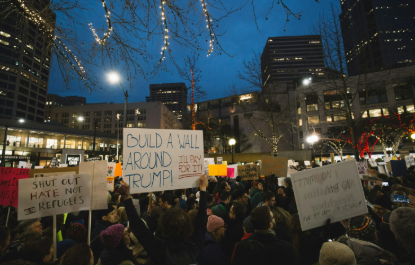
In April 2026, a notable rise in immigration rights demonstrations took place across the USA, reflecting widespread concern and activism surrounding immigration policies. This surge can be attributed to a series of high-profile incidents that ignited public outcry, compelling individuals and groups to mobilize in support of immigrant rights. These demonstrations varied in size and scope, ranging from peaceful marches to more vocal protests, emphasizing the urgent call for comprehensive immigration reform.
The last few years have witnessed increasing debates surrounding immigration policies, and the events of April 2026 have significantly contributed to shaping public discourse. Demonstrators have gathered not only to express their discontent with current legislation but also to advocate for the recognition and protection of immigrants’ rights. Particularly, the humanitarian crises and policy shifts affecting various immigrant communities have amplified voices previously marginalized in the conversation surrounding immigration.
The significance of these demonstrations cannot be understated. They are not merely reactions to specific events; they illustrate a broader trend of growing political engagement among various demographic groups in the USA. Rising awareness surrounding social justice issues and a push for equity have mobilized citizens from diverse backgrounds to stand in solidarity with immigrants. The emergence of organized events has served as a unifying force, fostering community bonds and alliances that transcend traditional boundaries.
As we delve deeper into the current immigration rights movements, it becomes crucial to examine the underlying causes of this increased activism, the impacts these demonstrations have on policy and community, and the responses they elicit from government entities. With each protest, advocates are not only demanding change but also fostering a dialogue that highlights the complexities of immigration in a rapidly evolving sociopolitical landscape.
Historical Context: Immigration Rights in Recent Years
The issue of immigration rights in the USA has spurred significant discourse and activism over the past decade. Legislative changes, fluctuations in public opinion, and pivotal protests illuminate the evolving landscape of this critical social issue. In 2012, the Deferred Action for Childhood Arrivals (DACA) program was introduced, offering temporary relief from deportation for undocumented immigrants who arrived in the US as children. This marked a pivotal shift in immigration policy, fostering hope among many advocates for a more inclusive system.
However, subsequent years saw a contentious political climate that influenced immigration legislation profoundly. The temporary protections provided by DACA faced numerous legal challenges and policy reversals, which heightened anxiety within immigrant communities. The intense discussions surrounding immigration culminated in various protests throughout the years, with advocates mobilizing to voice their demands for legislative reform. Major demonstrations were organized in 2017 and 2018, rallying thousands of supporters who sought to protect immigrant rights and express solidarity with those impacted by stringent immigration laws.
Public sentiment has further shaped the dialogue surrounding immigration. Polls indicate fluctuating support for immigration reform, highlighting the complexities of public attitudes toward immigrants. Fear and misinformation have often undermined these insights, contributing to divisive narratives that fuel right-wing sentiments against immigrant communities. Conversely, progressive coalitions have actively worked to counter these narratives, promoting awareness and a human rights-based approach to immigration.
These past events, including significant protests and evolving legislative measures, have paved the way for the demonstrations in April 2026. The heightened attention towards immigration rights today reflects ingrained frustrations and aspirations for equity among immigrant populations. As activists gather to advocate for their rights, these historical contexts serve as both a reminder and a catalyst for future change.
Key Incidents Triggering April Protests
The escalation of immigration rights demonstrations in April 2026 can largely be attributed to specific incidents and shifts in policy that ignited widespread discontent among various communities across the USA. This period was marked by legislative actions perceived as regressive by advocates for immigrant rights, prompting numerous protests nationwide. One key incident was the introduction of a new immigration policy aimed at enhancing border security, which included provisions for increased deportations and stringent entry requirements. Many viewed these measures as a direct attack on the rights of immigrants and a regression of the nation’s longstanding commitment to diversity and inclusion.
Additionally, a highly publicized case emerged where a group of undocumented workers was detained during a workplace raid, drawing national attention and sparking outrage within immigrant communities and their allies. Media coverage of these events played a significant role in shaping public perception and galvanizing activists. Reports highlighted the harsh realities faced by immigrant families, painting a vivid picture of fear and uncertainty that permeated those communities. As stories circulated, the sense of solidarity grew, urging citizens from various backgrounds to take action in support of their immigrant counterparts.
The grievances voiced during the protests centered not only on the immediate policy changes but also on broader issues, such as the lack of a comprehensive immigration reform. Activists emphasized the need for a humane approach to immigration that respects human rights while balancing the need for security. This sentiment resonated deeply among many citizens, further driving the surge in demonstrations. As April unfolded, the convergence of these factors created an environment ripe for activism, contributing to a series of protests that underscored the urgency for change regarding immigration policies in the USA.
Demographic Insights: Who is Involved?
The immigration rights demonstrations that have surged in April 2026 attract a diverse range of participants, each driven by unique motivations but united under a common cause. The demographic composition of these protests reveals a rich tapestry of individuals, including immigrants, allies, community leaders, and various advocacy groups.
At the forefront of the demonstrations are immigrants seeking to assert their rights and challenge the existing policies that affect their lives in the USA. Many of these individuals hail from regions heavily affected by socio-economic challenges, and their participation in the protests underscores a desperate need for legislative reform. They bring with them personal narratives of struggle and resilience, which serve to fuel the momentum of these rallies.
Allies from non-immigrant backgrounds are also an essential part of this movement. They are often drawn from various sectors of society, including students, labor unions, and human rights organizations. Their involvement is crucial as it underscores the solidarity across communities, reinforcing the message that immigration rights are human rights. Furthermore, many of these allies are motivated by a desire to create a more inclusive society that cherishes diversity.
Community leaders play an important role in organizing these events and guiding the dialogue. Often, these individuals are well-respected within their communities and possess a track record of advocacy. Their leadership fosters an environment where collective voices can be amplified. In addition, advocacy groups are significant stakeholders within these demonstrations, mobilizing resources and individuals while lending their expertise on immigration law and policy.
Overall, the demographic diversity present at these demonstrations highlights the widespread recognition of the importance of immigration rights in achieving social justice in the USA. It is a collective effort that transcends race, ethnicity, and socio-economic status, signaling a robust commitment to the cause from all corners of society.
Major Locations of Demonstrations
Throughout April 2026, demonstrations advocating for immigration rights have unfolded across several major U.S. cities, reflecting widespread concern and solidarity regarding immigration policies. Prominent demonstrations have been observed in locations such as Los Angeles, New York City, Chicago, and Miami. Each of these cities has its own unique geographical and historical context, contributing to the significance of the protests.
Los Angeles, with its substantial immigrant population, has long been a focal point for immigration advocacy. The large gatherings in downtown area highlight the community’s commitment to promoting immigrant rights, underscoring the city’s role as a nexus for cultural diversity. Similarly, New York City serves as a symbolic location, historically linked to immigration waves since the late 19th century. The presence of activists at landmarks such as the Statue of Liberty emphasizes the city’s heritage and progressive stance on immigration issues.
Chicago, recognized for its rich labor history, has also become a lively site for protests. The demonstrations here have congregated outside significant government buildings, emphasizing grassroots efforts in demanding equitable immigration reform. Meanwhile, Miami serves as a critical location for many Latin American immigrants. Protests in this city reflect the broader national sentiments on immigration as they often echo the experiences of its multicultural community.
The geography of these demonstrations reveals a clear pattern; cities with substantial immigrant populations and historical connections to immigration are leading the charge. This trend suggests a collective acknowledgment of the pressing need for reform, driven by a diverse coalition advocating for justice. As the situation evolves, the local dynamics in these regions serve as a microcosm of national sentiments around immigration policy in the USA.
Themes and Messaging of the Demonstrations
The demonstrations for immigration rights that increased in intensity during April 2026 signify a critical moment in the ongoing dialogue regarding immigration policies in the USA. Several prominent themes emerged from these protests, reflecting the diverse perspectives and shared experiences of demonstrators from various backgrounds. A unifying call for justice and equality was evident, encapsulated in slogans such as “No Human is Illegal” and “Families Belong Together.” These phrases resonated with supporters as they emphasize the intrinsic value of human life and highlight the familial connections often torn apart by stringent immigration regulations.
Another essential theme was the advocacy for comprehensive immigration reform, urging policymakers to address not only legal pathways to citizenship but also the rights and protections needed for undocumented immigrants. The message conveyed through chants of “We are Here to Stay” symbolizes a shift in the narrative around immigration, promoting the notion that immigrants are integral to the fabric of society. This marks a significant transition from viewing immigrants as outsiders to recognizing them as productive members of the community, contributing economically and culturally.
Additionally, the focus on community and solidarity was prevalent throughout these demonstrations. Many signs denoted inclusivity, with phrases such as “Solidarity Not Stereotypes” highlighting the need for a collective approach to immigration challenges, opposed to one that fosters division. This shift reflects a broader societal recognition of the changing demographics in the USA, as well as an acknowledgment of the resilience and contributions of immigrant populations.
Through these themes, the demonstrations serve as a lens through which the evolving narratives around immigration can be observed. It showcases not only the aspirations of those directly affected but also a growing understanding among allies of the need for compassionate and just immigration policies.
Responses from Authorities and Law Enforcement
In April 2026, the surge in immigration rights demonstrations prompted varied reactions from both local and federal authorities across the USA. As these protests unfolded, law enforcement agencies found themselves at the forefront, tasked with maintaining order while also respecting the rights of demonstrators. This delicate balance led to a spectrum of responses, ranging from peaceful collaboration to confrontational tactics.
Many local police departments opted for engagement strategies, seeking to communicate with protest leaders and establish mutual understanding. These efforts included facilitating peaceful assemblies, providing support in terms of safety measures, and allowing protesters to articulate their demands without interference. Such approaches were often met with positive public sentiment, as they emphasized the importance of dialogue and respect for civic rights.
Conversely, some federal authorities adopted a more aggressive posture, particularly in regions experiencing heightened tensions. Instances of clashes between protesters and law enforcement were reported, with authorities relying on riot gear and crowd control measures to disperse gatherings deemed unlawful. Such actions raised significant concerns about potential infringements on civil liberties, sparking heated debates about the appropriate level of law enforcement involvement in public demonstrations and the necessity for such measures in a democratic society.
The implications of these varied responses are profound, as they shape the public’s perception of both law enforcement and the immigration debate. An approach perceived as overly aggressive can foster resentment and distrust among communities, while a collaborative response may improve relations and highlight the importance of protecting rights within the democratic framework. As the climate surrounding immigration rights continues to evolve, the strategies employed by authorities will play a crucial role in determining the trajectory of public discourse on this pressing issue.
Impact on Policy and Public Opinion
The April 2026 immigration rights demonstrations have already begun to evoke significant responses from policymakers and public sentiment, marking a pivotal moment in the ongoing discourse surrounding immigration in the USA. These widespread protests, characterized by diverse participation and organized advocacy, aim to mobilize support for reforms that prioritize the rights of migrants. Observers note that the demonstrations have generated heightened visibility and urgency around immigration issues, prompting an analysis of their potential effects on both policy and public opinion.
Expert analyses suggest that these demonstrations could lead to more progressive immigration policies as legislators seek to align with the growing public support for reform. Polling data collected during and after the events indicate a marked shift in perceptions toward immigrants, revealing a greater recognition of their contributions to society and the economy. This evolving mindset is evidenced by increasing public sympathy for the plight of migrants and a call for more humane immigration practices.
Moreover, the demonstrations have also significantly influenced political narratives. Key advocacy groups and activists have leveraged this momentum to advocate for comprehensive immigration reform, aiming to bring about legislation that reflects the values of inclusivity and equity. The juxtaposition of public support against the backdrop of existing legal frameworks presents both challenges and opportunities for lawmakers who are tasked with addressing these urgent needs.
Furthermore, the impact on public opinion may extend beyond immediate policy changes. The conversations sparked by the demonstrations could foster long-term shifts in societal attitudes, discouraging xenophobia and encouraging inclusivity. As these protests continue to resonate with citizens across the country, it is crucial for stakeholders, including political leaders and community advocates, to remain attuned to this evolving landscape.
Conclusion: The Future of Immigration Rights Advocacy
The escalation of immigration rights demonstrations in April 2026 marks a pivotal moment in the ongoing struggle for justice and equality in the USA. As activists mobilize and communities unite, the future of immigration rights advocacy appears to be more vibrant and determined than ever. This sustained pressure from grassroots organizations is essential to maintain momentum and ensure that the voices of the marginalized are heard in the corridors of power. Looking ahead, it is anticipated that activists will continue to adopt innovative strategies to advocate for reform.
Related Posts: