Buy Now Pay Later USA 2026: How Payment Options Are Changing Consumer Spending
By: Pedro Batista on July 21, 2026
The Rise of Buy Now Pay Later in the United States
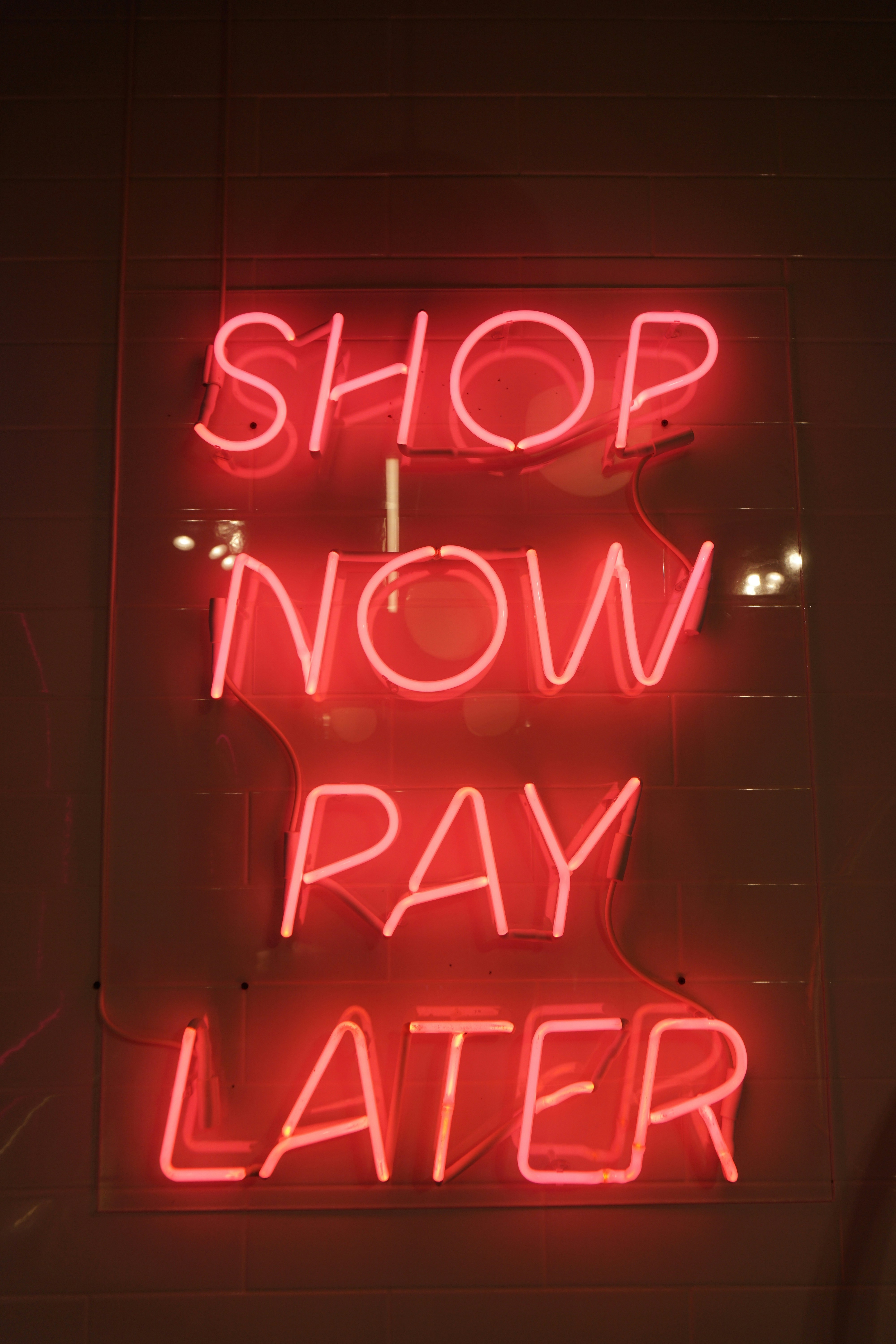
Buy Now Pay Later (BNPL) services have rapidly gained popularity across the United States, transforming the way consumers approach purchases and payments. This financial model allows shoppers to buy products immediately while spreading payments over a set period, often without interest when payments are completed within the required timeframe.
As digital commerce continues to expand, BNPL has become an alternative to traditional credit cards and lending options, offering a faster and more convenient payment experience for modern consumers.
How Buy Now Pay Later Payments Work
The main appeal of BNPL comes from its simple and flexible payment structure. Instead of paying the entire purchase amount upfront, consumers can divide the cost into smaller installments, usually distributed over several weeks or months.
This approach makes larger purchases easier to manage and attracts consumers who prefer greater control over their budgets. The application process is also designed to be quick and accessible, often requiring fewer steps compared to traditional financing options.
Major BNPL Platforms Driving Market Growth
Several companies have played an important role in expanding BNPL adoption in the US market. Platforms such as Afterpay, Klarna, and Affirm have partnered with online retailers to offer installment payment options directly during checkout.
By integrating these services into digital shopping experiences, BNPL providers have increased accessibility and convenience, attracting consumers who are looking for more flexible ways to complete purchases.
How BNPL Is Changing Consumer Spending Behavior
Unlike traditional credit options that often require extensive documentation and stronger credit profiles, BNPL services typically provide a simpler approval process. This accessibility has helped attract a wider range of shoppers seeking alternative payment methods.
The growth of BNPL has influenced consumer behavior by making installment payments more common and changing how people plan their purchases. While these services can provide financial flexibility, responsible usage remains important to avoid excessive spending and payment difficulties.
The Evolution of Payment Options in the USA
From Cash Transactions to Modern Payment Solutions
The payment landscape in the United States has experienced major transformations over the past century, reflecting changes in consumer behavior, economic conditions, and technological innovation. From traditional cash transactions to advanced digital payment systems, each stage has shaped how Americans buy goods and services.
In the early 20th century, cash was the primary method of payment, offering a simple and direct way for consumers and businesses to complete transactions. As the economy expanded and consumers sought greater convenience, new payment methods emerged to meet changing financial needs.
The Rise of Credit Cards and Consumer Spending
The introduction of credit cards in the mid-1900s represented a significant turning point in payment history. Unlike cash-based transactions, credit cards allowed consumers to make purchases without immediately having available funds, providing greater flexibility and purchasing power.
This innovation changed consumer spending habits by making it easier to manage larger purchases and handle everyday expenses. Over time, credit cards became a widely accepted payment method across industries, establishing themselves as a central part of the American financial system.
Digital Payments and the Growth of Online Transactions
The rise of the internet in the 21st century accelerated the development of new payment technologies. As online shopping became increasingly popular, consumers needed faster, safer, and more convenient ways to complete digital transactions.
Platforms such as PayPal helped introduce secure online payments, while mobile wallets like Apple Pay and Google Wallet allowed users to make purchases directly through smartphones. These technologies improved convenience by reducing dependence on physical cards and cash while increasing the speed of transactions.
The Expansion of Buy Now, Pay Later (BNPL) Services
In recent years, Buy Now, Pay Later (BNPL) services have become a major development in the payment industry. These solutions allow consumers to purchase products immediately while spreading payments over time, offering an alternative to traditional credit options.
BNPL has gained popularity among consumers who value financial flexibility and short-term payment solutions. This trend has influenced shopping behaviors and encouraged businesses to adapt their payment options to meet evolving customer expectations.
The Future of Payment Innovation in the USA
The evolution of payment methods demonstrates how financial systems continue to adapt to technology, consumer preferences, and economic changes. As digital solutions, mobile payments, and flexible financing options continue to grow, the future of payments in the USA is likely to bring even more innovations that transform how consumers manage spending.
Current Trends in BNPL Usage
Buy Now Pay Later (BNPL) services have rapidly gained traction across the United States, reshaping consumer spending habits significantly. Current trends indicate that approximately 40% of American consumers are now familiar with BNPL options, and usage has surged by over 60% in the past two years. This notable increase in adoption is particularly seen among younger generations, with millennials and Gen Z accounting for the largest demographic segment utilizing these services.
In terms of specific sectors, retail, travel, and entertainment stand out as prime areas for BNPL implementation. Statistics reveal that around 50% of BNPL transactions occur within the retail sector, highlighting its role in facilitating purchases of clothing, electronics, and home goods. The travel industry has also embraced BNPL, allowing consumers to manage costs for flights, hotel stays, and vacation packages more effectively. Notably, these transactions are appealing during peak travel seasons, giving users the flexibility to book trips without upfront payments.
Several factors contribute to the growing popularity of BNPL among various consumer segments. Firstly, the increasing trend towards online shopping has made BNPL options more accessible and appealing. Many consumers prefer to shop online, where instant gratification is a major driver. Furthermore, the absence of interest and hidden fees, compared to traditional credit options, makes BNPL services an attractive alternative.
Convenience: Allows for immediate purchases without full upfront payment.
Budget Management: Offers a straightforward way to manage larger expenses.
Attractiveness to Younger Consumers: Aligns well with their financial management strategies.
As BNPL services evolve, they continue to be a pivotal component of consumer spending, showcasing the shift towards flexible payment methods in the U.S. economy.
Regulatory Environment for BNPL in 2026
The Buy Now Pay Later (BNPL) services landscape in the USA is rapidly evolving, particularly as we approach 2026. Increasing usage of these payment options has drawn the attention of regulators, prompting discussions about the need for comprehensive oversight to safeguard consumer interests while fostering responsible lending practices.
As of now, numerous regulations are in the pipeline targeting BNPL companies. These proposed laws aim to enhance transparency in the lending criteria and fee structures associated with these services. Regulators are considering measures that would mandate BNPL providers to disclose APR (annual percentage rate) and additional fees in a clear and understandable manner. This approach seeks to ensure that consumers are adequately informed before committing to a deferred payment plan.
Additionally, the Consumer Financial Protection Bureau (CFPB) has initiated investigations into the business practices of BNPL companies. Their focus is on understanding the implications of deferred payment plans on consumer credit scores and overall financial health. The results of these investigations may influence future regulations, emphasizing the need for ethical standards and consumer protections.
Furthermore, as consumer protections evolve, BNPL entities may face stringent requirements regarding credit checks. This could have substantial ramifications for companies offering BNPL services, as they may have to adjust their lending criteria to align with new regulatory frameworks. Companies that proactively adjust their practices to comply with regulations might gain a competitive edge in the market.
In conclusion, the regulatory environment surrounding BNPL services in the USA is expected to change significantly by 2026. Companies will need to navigate these evolving regulations while remaining focused on consumer protection and transparent practices. Consumers should stay informed about these changes to make sound financial decisions when utilizing BNPL options.
Impact on Consumer Spending Behavior
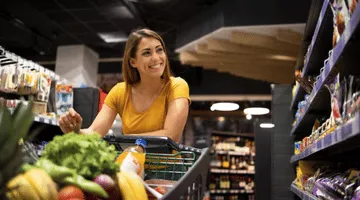
The rise of Buy Now Pay Later (BNPL) payment options has significantly influenced consumer spending behaviors across the United States. With the emergence of these flexible payment solutions, consumers are empowered to make purchases without immediate financial strain. This shift not only changes how people shop, but it also affects their overall budgeting practices and spending habits.
One of the primary psychological factors behind the increasing popularity of BNPL is the alleviation of financial anxiety. Consumers often feel more willing to spend when they know they can defer payment. This can lead to impulsive buying, especially for discretionary items, and can result in higher overall expenditure. For instance, a report indicated that BNPL users spend approximately 30% more overall compared to typical consumers, who may adhere rigidly to a budget.
Moreover, the ease of accessing BNPL options contributes to a shift in purchasing decision-making. Consumers prioritize immediate gratification, leading them to opt for higher-priced items that they might have otherwise considered unaffordable. This phenomenon raises concerns about long-term financial health, as individuals may find it challenging to manage multiple payments across various platforms.
To better understand this evolution, consider the following points:
Increased Spending: Shoppers are tending to make purchases beyond their traditional limits due to the availability of credit alternatives like BNPL.
Budgeting Challenges: With split payments, consumers often overlook their total spending, leading to potential difficulties in adhering to a budget.
Psychological Ownership: The ability to possess goods immediately without instant payment can create a sense of ownership, further encouraging consumption.
As consumers adapt to these payment structures, it becomes essential for them to remain aware of their spending patterns. This awareness is vital for maintaining financial stability and achieving long-term financial goals. The evolving landscape of BNPL will continue to shape consumer habits, making it essential to monitor its impact closely.
Challenges and Criticisms of BNPL Services
Buy Now Pay Later (BNPL) services have gained significant traction among consumers in recent years, but they are not without their challenges and criticisms. One of the primary concerns surrounding these payment options is the risk of escalating consumer debt. While BNPL can provide immediate purchasing power, it also encourages consumers to spend beyond their means. According to recent studies, users of BNPL services can incur debts that exceed their repayment capabilities, leading to potential financial distress.
Moreover, BNPL providers carry a responsibility to ensure that their offerings do not contribute to consumer harm. With the ease of access to credit, some companies may not adequately assess a user’s financial situation before extending payment plans. This lack of stringent credit checks can disproportionately affect younger consumers or those with limited financial literacy, who may not fully understand the implications of accumulating debt through these services.
Transparency in BNPL agreements is another critical issue. Many consumers report confusion over fees, interest rates, and the conditions tied to payment plans. For instance, late fees and hidden charges can elevate the cost of purchases significantly, making them less appealing. In some cases, consumers may not be fully informed about the long-term implications of opting for BNPL rather than a more traditional payment method. As such, it is vital for BNPL companies to provide clear and comprehensible information to their users.
Debt accumulation risk due to ease of credit access.
Lack of thorough financial assessments by BNPL providers.
Confusion over fees and terms of service, impacting customer satisfaction.
As the BNPL landscape evolves, balancing convenience with financial prudence will be essential for consumers. The dialogue about consumer protection and responsible lending practices is vital to fostering a more sustainable BNPL environment, ensuring that the benefits of everyday purchases do not come at the cost of financial stability.
Future Predictions for BNPL Market Trends
BNPL Growth Expectations in the USA by 2026
The Buy Now Pay Later (BNPL) market is expected to experience significant changes by 2026, influenced by technological innovation, evolving consumer preferences, and increasing competition among financial providers. As flexible payment solutions become more popular, BNPL is likely to play an even greater role in consumer purchasing decisions across the United States.
The Role of Artificial Intelligence in BNPL Services
One of the most important trends shaping the future of BNPL is the integration of artificial intelligence (AI) and machine learning technologies. These tools are expected to improve the customer experience by enabling more personalized payment options, advanced risk analysis, and faster credit evaluations.
With AI-powered systems, BNPL providers may gain deeper insights into consumer behavior and financial patterns. This could allow companies to create payment plans that better match individual circumstances while improving lending decisions and reducing potential risks.
Changing Consumer Preferences for Flexible Payments
Consumer demand for flexible financing options is expected to continue growing, especially among younger generations who value convenience and payment control. BNPL providers are likely to respond by expanding their offerings with features such as longer repayment periods, interest-free payment options, and simplified approval processes.
The continued expansion of e-commerce will also contribute to BNPL adoption, as more online retailers integrate these services directly into checkout experiences. This increased accessibility may make installment payments a standard option for everyday purchases.
Increasing Competition and New BNPL Market Players
The BNPL industry is expected to become more competitive as new companies enter the market and existing financial institutions expand their digital payment offerings. Emerging providers may focus on specialized areas, including sustainable shopping, premium purchases, or specific consumer groups.
Traditional banks and credit companies may also incorporate BNPL features into their existing financial products, creating more choices for consumers. This competition could encourage improved services, better payment terms, and more innovative solutions.
The Future of Flexible Payment Solutions
The BNPL market in the USA is positioned for continued transformation as technology, consumer expectations, and competition shape its development. With advancements in AI, personalized financing options, and broader adoption across industries, BNPL services are likely to become an increasingly important part of the modern payment ecosystem.
Recommendations for Users Considering BNPL
As Buy Now Pay Later (BNPL) options gain popularity in the USA, it is vital for consumers to navigate these opportunities wisely. Here are some recommendations to consider if you are contemplating utilizing BNPL payment plans:
Understand the Terms: Before committing to a BNPL plan, carefully review the terms and conditions. This includes understanding the interest rates (if applicable), payment schedule, and potential fees for late payments.
Assess Your Financial Situation: Evaluate your current financial health before taking on additional debt through BNPL. Consider your income, existing obligations, and whether you can comfortably manage the upcoming payments over time.
Set a Budget: Allocate a specific budget for your BNPL purchases to avoid overspending. By establishing a clear spend limit, you can minimize the risk of accumulating unsustainable debt.
Use BNPL Sparingly: While the convenience of BNPL can make it tempting to use frequently, it is wise to limit its use. Consider making larger purchases rather than using BNPL for smaller, everyday expenses; this helps maintain a clear repayment plan.
Stay Organized: Keep track of your BNPL payments. Use reminders or budgeting apps to ensure that you make timely payments, thereby avoiding late fees and damaging your credit score.
Consider Alternatives: While BNPL can be a practical choice, explore other payment options if they offer better terms or do not involve debt accumulation, such as saving for purchases in advance.
Utilizing BNPL responsibly can enhance your shopping experience without leading to debt traps. By adhering to these best practices and being cautious, you can take full advantage of BNPL while maintaining your financial stability.
Frequently Asked Questions
What is Buy Now Pay Later (BNPL)?
Buy Now Pay Later (BNPL) is a payment option that allows consumers to purchase products immediately and pay for them over time, often through scheduled installments.
Why is BNPL becoming popular in the USA in 2026?
BNPL is growing because it offers payment flexibility, quick approval processes, and convenient options for consumers who prefer spreading payments instead of paying the full amount upfront.
How does Buy Now Pay Later work?
Consumers select BNPL at checkout, complete a quick approval process, and repay the purchase through installments according to the provider’s terms. Some plans may offer interest-free payments, while others may include fees or interest.
Is BNPL safe to use?
BNPL can be safe when used responsibly. Consumers should understand payment terms, avoid taking on more debt than they can afford, and choose reputable providers with transparent policies.
Does BNPL affect my credit score?
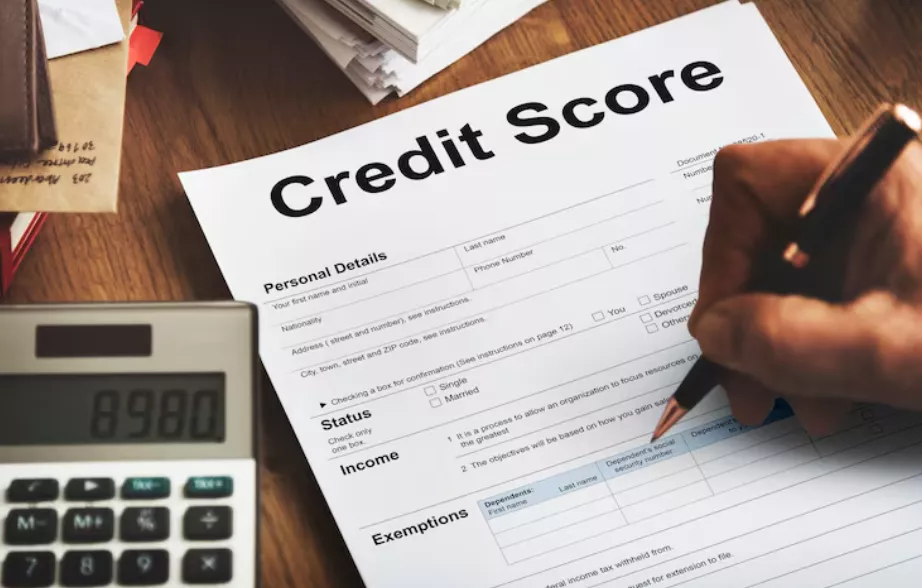
The impact depends on the BNPL provider and its reporting practices. Some providers may report payment activity to credit bureaus, while others may not. Late payments could affect financial health depending on the provider’s policies.
What are the benefits of BNPL?
Common benefits include:
Flexible payment options
Easier budgeting for larger purchases
Quick online approval
Access to products without paying the full amount immediately
What are the risks of using BNPL?
Potential risks include overspending, accumulating multiple installment payments, missed payments, and difficulty managing monthly expenses if not used carefully.
Who uses Buy Now Pay Later services the most?
BNPL is especially popular among younger consumers, including Millennials and Gen Z, who often prefer digital payment solutions and flexible purchasing options.
How is BNPL changing consumer spending habits?
BNPL is changing shopping behavior by making installment payments more common, increasing access to online purchases, and influencing how consumers plan their budgets.
What is the future of BNPL in the USA?
The BNPL market is expected to continue evolving with improvements in financial technology, personalized payment solutions, and increased attention to consumer protection and responsible lending.
Conclusion: The Future of Consumer Payment Options
As we navigate through the evolving landscape of consumer payment options, it is clear that Buy Now Pay Later (BNPL) services are emerging as a transformative force in the way individuals approach spending. The increasing prevalence of BNPL options signals a shift in consumer behavior, reflecting a growing preference for flexibility and convenience in financial transactions. By allowing consumers to spread their payments over time, BNPL not only aligns with modern lifestyle needs but also enhances purchasing power, making products more accessible.
Throughout this discussion, we have examined the profound implications of BNPL services on consumer spending in the USA, particularly as we look towards 2026. A key takeaway is that while these payment options provide advantages, they also necessitate an informed decision-making process from consumers. This includes understanding the terms associated with deferred payments, the potential for accruing debt, and the overall impact on financial health. With proper education and awareness, consumers can make the most of BNPL, ensuring it serves as a beneficial tool rather than a financial burden.
Furthermore, as digital payment trends continue to evolve, maintaining a balance between convenience and responsibility will be vital. Financial institutions, retailers, and consumers must work collaboratively to create a landscape that promotes responsible spending behaviors. The future may see advancements in technology that enhance BNPL offerings, such as improved application processes and tailored payment plans, allowing for even greater adaptability to consumer needs.
In conclusion, the emergence and growth of BNPL options are shaping the future of consumer spending in significant ways. By embracing these options responsibly, consumers can enjoy the immediate benefits while safeguarding their long-term financial stability. As we approach 2026, it will be essential to remain vigilant and informed as the payment landscape continues to evolve.
Pedro Batista Holds a degree in Communication with a specialization in Digital Marketing strategies. Working as a writer, he creates well-researched content, transforming complex information into accessible and engaging articles for a wider audience.