Protests Against Trump-Era Policies Highlight Regulatory Concerns
By: Pedro Batista on July 20, 2026
Última atualização em: julho 21, 2026
Trump-Era Policy Protests: What Sparked Them and Why the Debate Continues
Trump-era policy protests centered on immigration, environmental deregulation, healthcare, and labor rights — with activists and supporters of the administration continuing to disagree sharply on whether these policies helped or harmed the country.
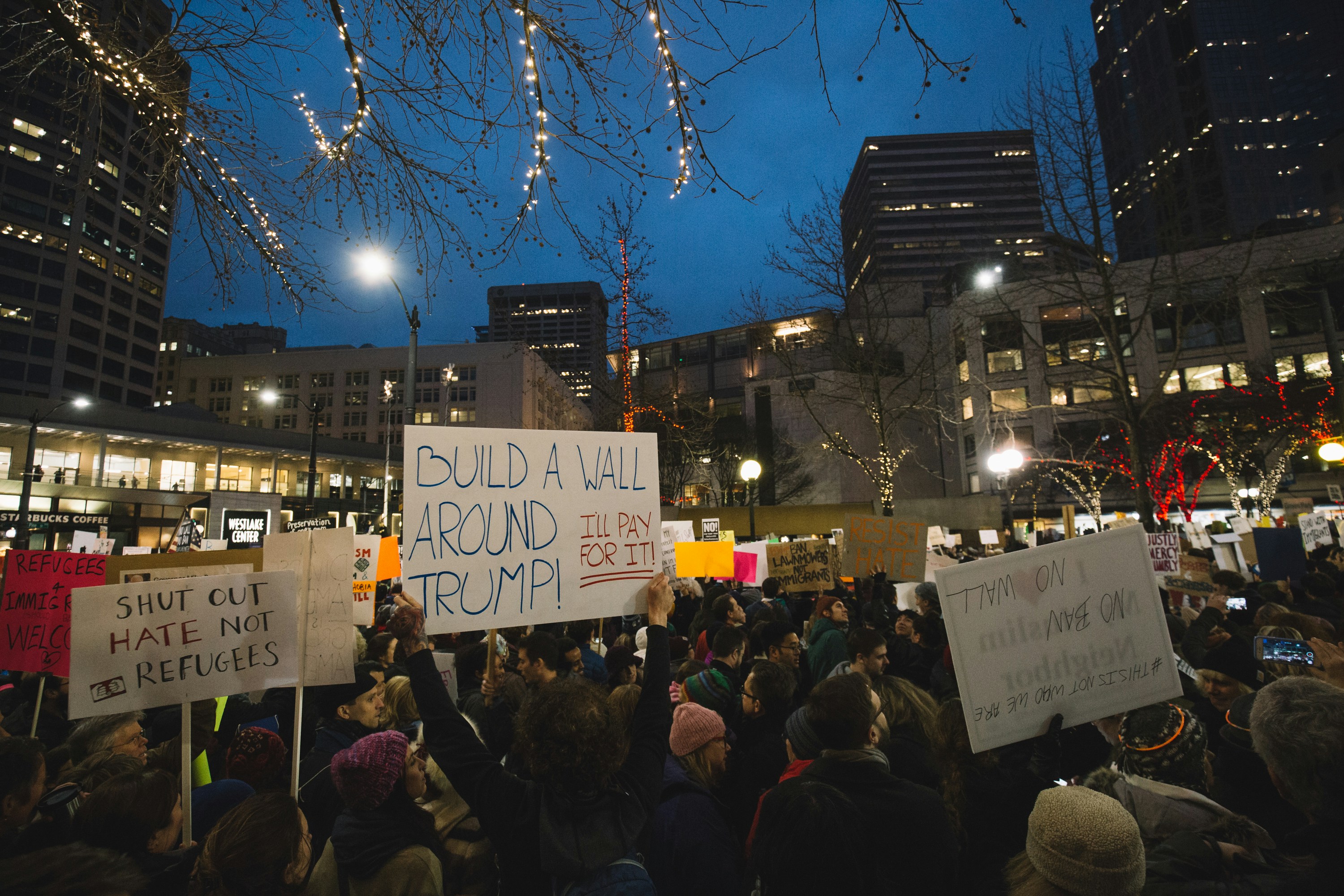
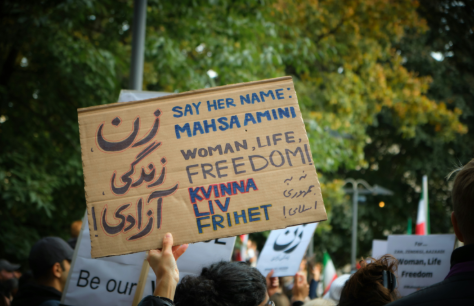
The protests that emerged in response to policies enacted during the Trump administration marked a notable moment in U.S. political life. These demonstrations went beyond individual policies, reflecting broader disagreements over governance, accountability, and social justice that split public opinion along familiar lines.
Supporters of these protests point to a handful of recurring themes: environmental policy, immigration reform, and social policy changes that critics argued disadvantaged marginalized communities. Each theme resonated with different segments of the public, driving demonstrations that organizers described as urgent responses to policy they viewed as inconsistent with democratic values — a characterization the administration and its supporters consistently disputed.
Social media played a significant organizing role throughout. Platforms like Twitter and Facebook helped activists mobilize, share information, and coordinate action, while public opinion polling showed real divisions in how Americans viewed these policies — divisions that, in many cases, persist today. Understanding this period remains useful for anyone tracking how protest movements shape — or fail to shape — regulatory debate in the years since.
The Policies at the Center of the Debate
Several policies drew particularly intense scrutiny and became focal points for organized protest.
Immigration reform
Family separations at the border and travel restrictions affecting several predominantly Muslim countries drew sharp criticism from civil rights groups and immigration advocates, who argued these measures raised serious human rights concerns. The administration and its supporters countered that the measures were necessary for border security and national security more broadly — a disagreement that remains largely unresolved in public debate today.
Environmental deregulation
The rollback of environmental protections, including withdrawal from the Paris Agreement and reduced carbon emissions regulation, drew strong opposition from environmental groups who argued it threatened both public health and long-term climate goals. Supporters of deregulation, by contrast, argued that reduced regulatory burden supported economic growth and energy independence.
Healthcare changes
Efforts to repeal and replace the Affordable Care Act created significant uncertainty for people relying on it for coverage, prompting concern from patient advocacy groups about vulnerable populations losing access to care. Proponents of repeal argued the ACA had itself created cost and access problems that needed addressing through alternative approaches.
Labor rights
Changes affecting workplace regulation and union influence drew concern from labor organizations, who argued the changes weakened protections for fair wages and safe conditions. Business groups, meanwhile, often supported these changes as reducing regulatory burden on employers.
What Activists and Experts Argued
Beyond the immediate policy fights, activists, scholars, and policy experts raised broader concerns about regulatory direction during this period.
Environmental and public health concerns
Environmental advocates argued that weakened protections put biodiversity and public health at risk, framing the rollbacks as a threat to long-term sustainability. Critics of this view argued that environmental regulation needed to be balanced against economic competitiveness.
Labor market concerns
Labor advocates warned that reduced oversight could lead to wage stagnation and diminished job security, while business advocates maintained that lighter regulation supported job creation and economic flexibility.
Human rights concerns around immigration
Immigration advocacy groups argued that stringent policy created an atmosphere of fear in immigrant communities, calling for policy that better aligned with international human rights norms. Supporters of stricter immigration enforcement argued that clear, firmly enforced rules were necessary for a functioning immigration system and border security.
What These Protests Mean for Policy Going Forward
These protests became a reference point in later discussions about regulatory reform, illustrating how sustained public mobilization can shape — or fail to shape — legislative priorities.
The case for lasting political impact
Advocates argue that sustained protest activity raised public awareness and created pressure on lawmakers to revisit environmental, social, and economic policy. In this view, visible public mobilization shifts which issues legislators prioritize.
The limits of protest-driven reform
At the same time, regulatory reform driven by protest movements faces real obstacles. Policy debates often become deeply polarized along partisan lines, and legislators may resist changes regardless of public pressure. Activists must also navigate complex legislative processes to turn demonstrations into actual policy change — a process that frequently stalls.
Ultimately, the period remains a useful case study in how public protest, media coverage, and partisan politics interact — and reasonable people continue to disagree, both about the policies themselves and about whether the protests that followed achieved lasting change. For related analysis, see our overview of U.S. policy reform trends since 2020.
Pedro Batista Holds a degree in Communication with a specialization in Digital Marketing strategies. Working as a writer, he creates well-researched content, transforming complex information into accessible and engaging articles for a wider audience.