Credit Card Rewards Programs 2026: Maximizing Benefits and Savings
By: Pedro Batista on July 21, 2026
Understanding Credit Card Rewards Programs
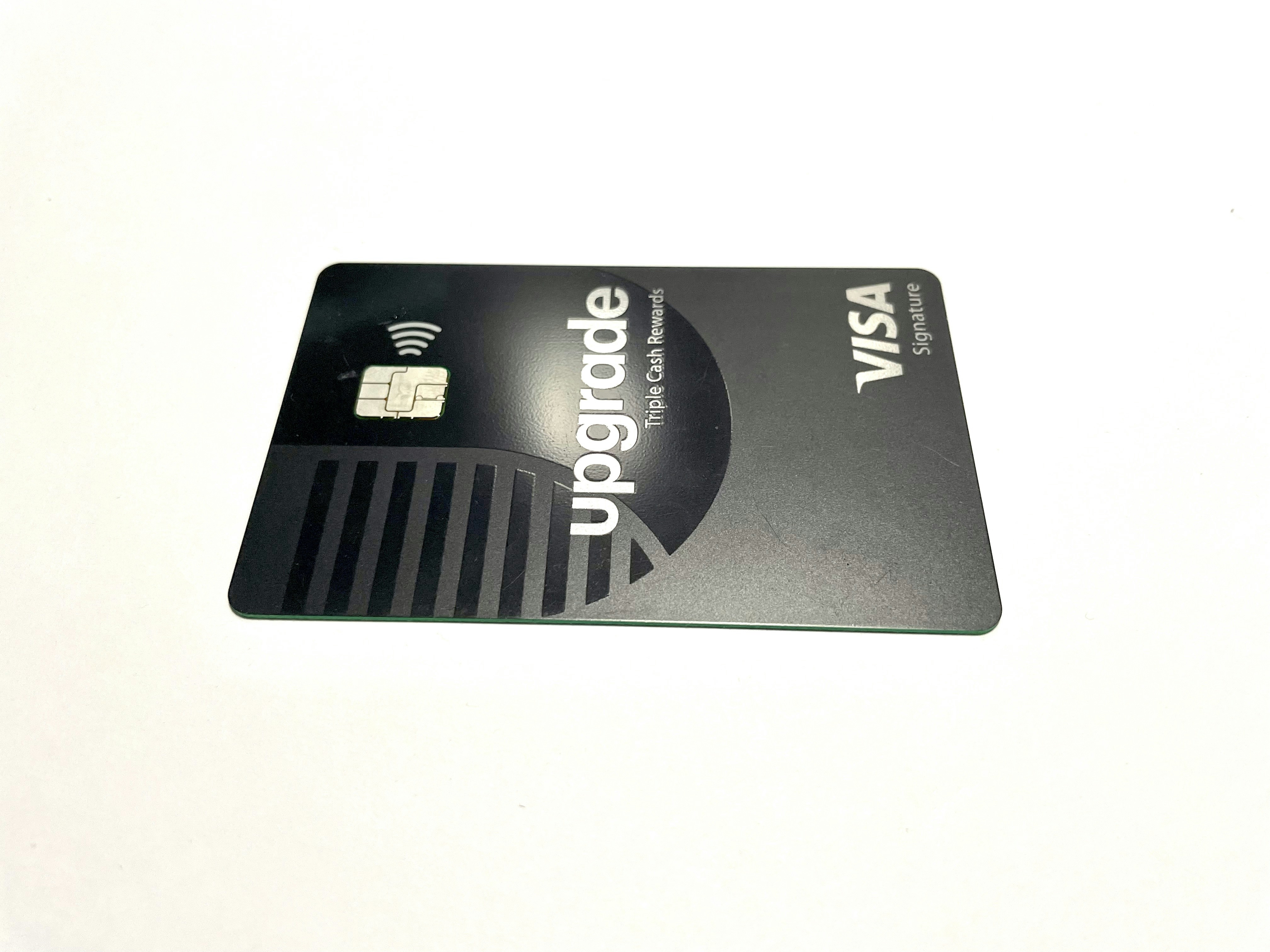
Credit card rewards programs serve as incentives designed by financial institutions to encourage usage of their credit cards. These programs are structured to reward cardholders for their spending, ultimately enhancing the cardholder’s purchasing power and providing significant financial benefits.
There are several types of rewards programs available, each tailored to suit different consumer preferences and needs:
Cashback Rewards: This type allows cardholders to earn a percentage of their spending back in the form of cash. Many consumers appreciate the simplicity of cashback rewards, as they can be redeemed for statement credits or direct deposits into bank accounts.
Travel Rewards: These programs provide points or miles based on spending, which can be used for travel-related expenses, including flights, hotel stays, and rental cars. Travel rewards are particularly advantageous for frequent travelers seeking to maximize their travel experiences without incurring extra costs.
Points Systems: Cardholders accumulate points for every dollar spent, which can be redeemed for a variety of options such as merchandise, gift cards, or exclusive experiences. This versatility attracts consumers who enjoy having multiple redemption choices.
By leveraging these rewards programs, cardholders can achieve considerable savings and enhancements in their overall financial strategy. These programs not only provide tangible rewards but also motivate consumers to spend wisely and strategically. Furthermore, some cards feature tiered or bonus rewards, incentivizing spending in specific categories such as groceries or gas, further increasing the potential for savings.
Therefore, understanding the various types of credit card rewards programs is essential for consumers aiming to maximize their benefits strategically. Selecting the right program that aligns with individual spending habits can significantly optimize the advantages derived from day-to-day purchases.
Current Trends in Credit Card Rewards Programs (2026 Edition)
As of 2026, credit card rewards programs are undergoing a significant transformation aimed at attracting new customers while retaining existing ones. Credit card companies are leveraging technology and customer insights to design more engaging and personalized rewards experiences. This has resulted in several key trends dominating the landscape.
One major trend is the digital integration of rewards programs. Credit card issuers are now offering mobile apps and online platforms that allow users to easily track their rewards, redeem points, and access exclusive offers. This seamless digital experience not only enhances customer satisfaction but also encourages more frequent usage of the credit card, leading to higher spending.
Another noteworthy trend is the increased focus on user personalization. Credit card companies are utilizing data analytics to understand individual consumer spending habits. This allows them to tailor rewards programs that align more closely with users’ needs and preferences. For instance, customers who frequently travel may be offered enhanced rewards for flight bookings, while those focused on dining out might receive better points for restaurant expenses.
Tiered rewards structures: Many issuers have introduced tiered rewards systems, providing greater point accumulation for higher spending levels. This structure incentivizes customers to use their cards more often.
Flexible redemption options: To enhance appeal, credit cards now offer a variety of redemption options, from cashback to travel experiences and merchandise. This flexibility allows consumers to tailor their rewards experience based on their lifestyle.
Collaboration with merchants: Many credit card programs are collaborating with retailers to provide targeted promotional offers and discounts, creating additional value for cardholders.
Furthermore, innovations in earning structures, such as bonus categories that change monthly or quarterly, have made rewards programs more dynamic. This not only keeps the experience fresh but also encourages strategic spending behavior with the card. Overall, as the credit card rewards ecosystem evolves, issuers continue to prioritize enhanced customer experiences through innovative offerings and personalized incentives, shaping the way consumers engage with their credit cards.
Evaluating Your Spending Habits to Choose the Right Program
Choosing the appropriate credit card rewards program hinges significantly on understanding your own spending habits. The first step in this evaluation process is to track your expenses diligently. This can be accomplished by reviewing bank statements, utilizing budgeting apps, or maintaining a personal finance spreadsheet. By recording your monthly expenditures, you can identify patterns that reveal where most of your money is directed.
Next, categorize your spending. Common categories include groceries, dining, travel, gas, and entertainment. A clear awareness of these categories will assist you in aligning your spending with the benefits offered by various rewards programs. For example, if you frequently dine out, choosing a card that offers higher cashback or points for restaurant spending may yield greater rewards. Conversely, if your lifestyle involves frequent travel, selecting a program that emphasizes travel-related benefits, such as airfare discounts or hotel points, could be more advantageous.
Furthermore, it is essential to match these spending patterns with the rewards offered. Most credit card rewards programs feature different tier levels for various categories. Some may reward higher for groceries and gas, while others may provide bonuses for online shopping or entertainment. Pay close attention to the fine print of each card, as this will clarify how rewards are accrued.
In your evaluation, consider utilizing comparison tools available online. Websites such as NerdWallet and CreditCards.com allow potential cardholders to analyze various rewards programs relative to their individual spending habits.
By following these steps—tracking your expenses, categorizing spending, and matching these patterns with rewards programs—you can make an informed decision on which credit card will maximize your benefits and savings over time.
Maximizing Rewards: Strategies for Earning More Points or Cash Back
To make the most of credit card rewards programs, consumers should adopt specific strategies that enhance their opportunities for earning points or cash back. Here are several actionable tactics:
Utilize Bonus Category Spending: Many credit cards offer rotating or tiered bonus categories that provide elevated rewards for specific spending types, such as groceries, gas, or travel. To maximize benefits, keep track of these categories and adjust your spending accordingly. For instance, if a card offers 5x points on gas purchases in a quarter, use that card exclusively for fuel during that time.
Stack Rewards with Shopping Portals: Numerous credit card issuers partner with shopping portals that provide additional points or cash back when you shop through their links. By starting your online shopping through these portals, you can stack the rewards alongside your credit card benefits, effectively increasing your overall rewards on purchases. It is essential to explore different shopping portals to find those offering the highest rewards for your purchases.
Take Advantage of Promotional Events: Keep an eye out for promotional events that credit card companies host, which can include limited-time enhanced rewards offers for specific merchants or additional bonus points for spending during designated periods. Participating in these promotions can significantly accelerate your earning potential.
Understand Terms and Conditions: Understanding the terms associated with your credit card is vital in maximizing rewards. Be aware of the requirements for earning bonus points, any caps on rewards, and expiration dates. Failure to comply with these terms can result in lost opportunities to earn rewards. Read credit card agreements thoroughly and stay informed about changes in reward structures.
Implementing these strategies can substantially enhance the value you receive from credit card rewards programs. By being proactive and informed, consumers can significantly boost their points or cash back earnings over time.
The Role of Loyalty Programs in Enhancing Credit Card Rewards
Loyalty programs play a critical role in optimizing the benefits associated with credit card rewards. These programs are designed to reward customers for repeating purchases and engaging with brands, hotels, airlines, or retailers. By linking credit cards to these loyalty initiatives, users can amplify their rewards-earning potential significantly.
For credit card holders, the integration with loyalty programs opens up avenues for earning extra points. When customers shop at affiliated retailers, every purchase can not only earn standard credit card rewards but may also yield additional loyalty points. This dual earning structure can lead to substantial savings and enhanced benefits. For example, if a credit card is associated with a hotel chain’s loyalty program, cardholders may receive bonus points for booking stays or dining at their restaurants, ultimately leading to free nights or room upgrades.
Some notable partnerships have been established in recent years, enhancing the value proposition for consumers. For instance, several airlines collaborate with credit card companies to offer bonus miles for card-use tied to flight bookings or purchasing inflight services. Similarly, retailers may provide enhanced cash-back opportunities through their loyalty platforms when using specific credit cards. These partnerships can maximize the rewards experience, allowing customers to reap benefits tailored to their spending behaviors.
Maximize Reward Points: Linking to loyalty programs can often yield double points.
Exclusive Promotions: Access to member-only discounts enhances overall savings.
Utilization Across Platforms: Earn rewards both in-store and online seamlessly.
Incorporating credit card rewards with loyalty programs is a strategic maneuver for consumers aiming to derive the greatest benefits from their spending. This synergy between credit cards and loyalty programs ensures that each purchase provides greater value, enhancing the overall financial rewards experience.
Be Aware of Fees and Interest Rates: Keeping Costs Down
When navigating the world of credit cards and their rewards programs, understanding fees and interest rates is crucial. Many cardholders are drawn to the enticing rewards but fail to recognize the potential costs that can diminish these benefits. Annual fees, foreign transaction fees, and high-interest rates can quickly negate the financial advantages of a rewards program.
First and foremost, it is essential to review the annual fee structure associated with your credit card. While some cards offer lucrative rewards, they may come with significant yearly fees. Consider whether the rewards earned will outweigh the annual fee. If a card has a $95 annual fee, but you earn $100 in rewards, it seems like a good deal; however, if you only earn $50, the cost-effectiveness is questionable.
Interest rates also play a pivotal role in overall credit card costs. If you carry a balance from month to month, high-interest rates can lead to substantial interest charges that erode any rewards earned. Always aim to pay off your balance in full each month to avoid these extra costs. Here are a few tips to keep fees and interest rates in check:
Choose cards with low or no annual fees where possible.
Compare interest rates between cards before making a decision.
Consider cards that offer introductory 0% APR periods for balance transfers and purchases.
Review your spending habits to find a rewards card that aligns with your lifestyle.
Lastly, always keep an eye on other potential charges that may apply, such as late payment fees or cash advance fees. Such costs can add up quickly, detracting from the attractiveness of the rewards offered. Utilize tools that provide comprehensive comparisons of credit cards to find the best overall deal, factoring in both rewards and fees. By maintaining an awareness of these costs, you can ensure that the benefits of your credit card rewards program truly enhance your financial wellness.
Effective Redemption Strategies for Maximizing Rewards
Understanding how to effectively redeem credit card rewards can significantly enhance the value you extract from your spending. Here are several strategies to consider when seeking to maximize your rewards:
Timing Your Redemption: Certain times of the year may offer more lucrative redemption options. For example, many credit card companies run promotional offers during holiday seasons, allowing users to get more value from points when booking travel or making purchases.
Assessment of Value: It is crucial to assess the worth of your points or cash back in various scenarios. Points redeemed for travel often yield higher value compared to merchandise. Utilize tools to calculate the approximate dollar value of your points; sites like The Points Guy offer insights into point valuations that can guide your decisions.
Diverse Redemption Options: Flexibility is a key component of an effective rewards program. Many credit cards allow users to redeem points for travel, statement credits, gift cards, and even related experiences like exclusive events. Diversifying your redemption avenues ensures you can maximize their potential based on your needs.
Avoiding Common Pitfalls: Common mistakes such as letting points expire, redeeming points for low-value items, or neglecting promotional offers can diminish your rewards’ value. Review your card’s terms periodically to stay informed about expiration dates and changes to redemption policies.
By applying these strategies, cardholders can significantly enhance their experience and savings. Always remember to compare the benefits and penalties associated with each redemption choice. Knowledgeable decision-making is key to leveraging a credit card rewards program effectively.
The Future of Credit Card Rewards Programs
As we look toward 2026 and beyond, the landscape of credit card rewards programs is anticipated to undergo significant transformations driven by advancements in technology and evolving consumer expectations. One of the most prominent trends that could influence these programs is the increasing adoption of cryptocurrency. With more retailers accepting digital currencies as a form of payment, credit card issuers are beginning to explore partnerships with crypto platforms. This shift could enable consumers to earn rewards in cryptocurrencies, potentially offering higher value and flexibility in redemption options.
Additionally, the integration of artificial intelligence (AI) has the potential to revolutionize how rewards programs are personalized. AI-driven analytics can assess consumer behavior and spending patterns, allowing banks to tailor rewards to individual preferences. For example, a cardholder who frequently dines out can receive enhanced rewards when making restaurant purchases, while another who travels often could benefit from increased points on airfare. This level of customization aims to enhance customer satisfaction and loyalty, making the credit card experience more rewarding.
Consumer expectations are also evolving. Today’s customers seek not merely rewards but meaningful incentives that fit their lifestyles. Hence, credit card programs may evolve to incorporate experiential rewards such as exclusive access to events or personalized travel packages. Programs may also emphasize sustainability, offering rewards for eco-friendly purchasing habits.
In summary, the future of credit card rewards programs is poised to reflect the changing dynamics of technology, consumer behaviors, and values. By embracing innovations such as cryptocurrency and AI, while aligning with customer expectations for value and sustainability, credit card issuers can create programs that truly resonate with their users, enhancing engagement and loyalty.
Frequently Asked Questions
What are credit card rewards programs?
Credit card rewards programs allow cardholders to earn benefits such as cash back, travel points, airline miles, or reward points based on eligible purchases. These rewards can typically be redeemed for statement credits, travel bookings, gift cards, merchandise, or other offers, depending on the card issuer.
How do I maximize my credit card rewards?
To earn the most rewards, use your credit card for eligible everyday purchases, take advantage of bonus spending categories, pay your balance in full each month to avoid interest charges, and redeem rewards before they expire, if applicable.
What types of credit card rewards are available?
Most rewards programs fall into three main categories:
Cash Back – Earn a percentage of your purchases back as cash or statement credits.
Travel Rewards – Collect points or miles that can be redeemed for flights, hotels, and travel expenses.
Flexible Rewards Points – Earn points that can often be used for travel, shopping, gift cards, or cash rewards.
Do credit card rewards expire?
It depends on the issuer and the specific rewards program. Some rewards never expire as long as the account remains open and in good standing, while others may have expiration dates or become invalid if the account is closed. Always review your card’s terms and conditions.
Are annual fee credit cards worth it?
Cards with annual fees may provide greater rewards, premium travel benefits, airport lounge access, or higher cash-back rates. Whether they’re worth the cost depends on your spending habits and how often you use the available benefits.
Can I earn rewards without carrying a balance?
Yes. In fact, the best strategy is to pay your balance in full every month. You can still earn rewards on eligible purchases while avoiding interest charges, making your rewards more valuable.
Do rewards programs affect my credit score?
Simply participating in a rewards program does not impact your credit score. However, responsible credit card use—such as making on-time payments, maintaining a low credit utilization ratio, and avoiding excessive debt—can help build and maintain a healthy credit profile.
Which credit card rewards program is best?
The best rewards program depends on your spending habits and financial goals. Frequent travelers may benefit most from travel rewards cards, while everyday shoppers often prefer cash-back cards. Comparing rewards rates, annual fees, redemption options, and additional benefits can help you choose the most suitable card.
Final Thoughts on Credit Card Rewards for Savvy Consumers
As we navigate the ever-evolving landscape of credit card rewards programs in 2026, it is crucial for consumers to remain informed and strategic in their choices. Credit card rewards can serve as an excellent avenue for enhancing savings, but realizing this potential relies heavily on understanding the varying benefits and terms associated with different programs.
One of the key takeaways from our discussion is the significance of aligning the rewards program with personal spending habits. Savvy consumers should carefully evaluate which categories yield the most benefits—whether it be travel, dining, or everyday spending. By prioritizing the right credit cards, individuals can unlock maximum rewards while minimizing outlay.
Assess Your Spending: Conduct a thorough analysis of monthly expenditures to identify high-earning categories.
Compare Card Offers: Take time to review and compare annual fees, reward structures, and any additional perks offered by different credit cards.
Stay Informed: Regularly update yourself on any changes to the credit card terms to avoid missing out on lucrative opportunities or facing unexpected fees.
Additionally, considering the impact of credit scores on rewards eligibility is paramount. Maintaining a good credit score not only opens doors to premium rewards programs but can also lead to lower interest rates, which ultimately enhances savings.
Lastly, while utilizing credit cards can amplify benefits, responsible usage is essential. Paying off balances in full and on time ensures that cardholders do not fall prey to interest charges that could negate any rewards earned.
By following these guidelines and making informed decisions, consumers can effectively maximize their credit card rewards, leading to significant savings. The key lies in a blend of strategic selection and responsible management, empowering individuals to make the most of their financial tools in 2026 and beyond.
Pedro Batista Holds a degree in Communication with a specialization in Digital Marketing strategies. Working as a writer, he creates well-researched content, transforming complex information into accessible and engaging articles for a wider audience.