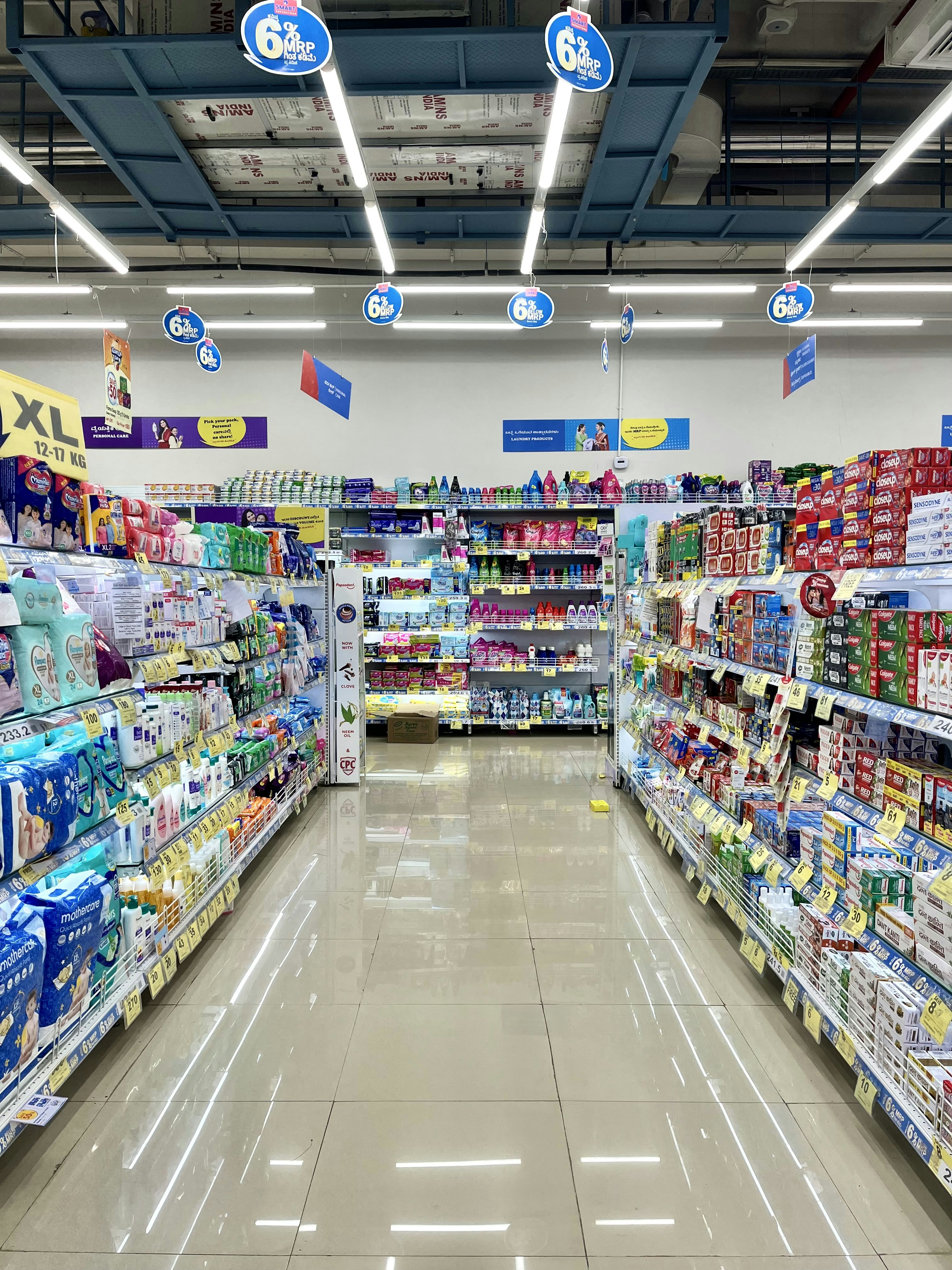
Supermarket Benefits 2026: Discounts, Rewards, and Savings Programs Explained
By: Pedro Batista on July 20, 2026
Introduction to Supermarket Benefits in 2026
In recent years, the landscape of supermarkets has undergone significant transformation, particularly in the realm of customer engagement and loyalty incentives. As we enter 2026, supermarkets are increasingly adopting a myriad of benefits centered around discounts, rewards, and savings programs. These strategies not only enhance customer experiences but also reflect the evolving consumer expectations in an increasingly competitive market.
One of the primary factors driving this evolution is the heightened awareness among consumers regarding value for money. As inflation and market fluctuations influence purchasing power, customers are more inclined toward supermarkets that offer tangible savings through various programs. Discount structures, loyalty rewards, and cashback initiatives provide an alluring framework for supermarkets to attract price-sensitive shoppers.
The adoption of technology has also played a pivotal role in shaping supermarket benefits. Mobile applications and digital loyalty cards have made it easier for consumers to access discounts and rewards at their fingertips. This convenience not only fosters a positive shopping experience but also encourages frequent visits, ultimately leading to increased sales. By analyzing customer purchasing patterns, supermarkets are now capable of tailoring their rewards programs to meet individual preferences, thus enhancing customer satisfaction.
Moreover, supermarkets are leveraging partnerships with manufacturers and local businesses to expand their savings programs. These collaborations often result in exclusive discounts or bundled offerings, which benefit both the supermarket and the consumers. Such innovations are indicative of a broader trend aimed at enhancing customer loyalty and enhancing the supermarket’s competitive edge.
As we delve deeper into the mechanics of supermarket benefits in 2026, it is essential to recognize the strategies employed to reshape consumer shopping habits. The primary focus will be exploring how supermarkets implement and optimize these benefits to ensure they meet the needs of a diverse consumer base.
Understanding Discounts: How They Work
Supermarkets employ a variety of discount strategies to attract customers and enhance sales. Understanding these strategies can greatly benefit consumers in making budget-conscious decisions. One common type of discount is the percentage-off discount, where prices are reduced by a specified percentage. For example, a 20% discount on a $50 item means a consumer pays only $40. Such discounts are particularly effective during promotional events and help in clearing out inventory.
Another popular offer is the buy-one-get-one-free (BOGO) deal. This strategy not only increases sales volumes but also encourages consumers to purchase more than they typically would. BOGO offers play a significant psychological role by enticing shoppers with the perception of getting free items, prompting them to overlook the total expenditure involved.
Seasonal sales are another prevalent form of discount that supermarkets employ. These sales often align with holidays or specific seasons, such as back-to-school promotions or summer clearance events. During these times, consumers may encounter substantial markdowns that incentivize them to shop more frequently during those periods.
Additionally, many supermarkets offer member-only discounts as part of their loyalty programs. These discounts reward regular customers by providing them with exclusive access to lower prices or special promotions. Membership often requires enrollment in a loyalty program, which may involve collecting points or earning rewards over time.
The psychological effects of these discounts play a crucial role in decision-making. Discounts create a sense of urgency, encouraging consumers to take immediate action to capitalize on perceived savings. Furthermore, the satisfaction derived from obtaining a deal can influence repeat purchases and foster brand loyalty.
Engaging with these discounts efficiently leads to significant savings and enhances the overall shopping experience, making it vital for consumers to stay informed about the available options.
Rewards Programs: A Deeper Look
Supermarket rewards programs are designed to enhance customer loyalty while simultaneously offering significant benefits to shoppers. These programs typically allow consumers to accumulate points based on their purchases, which can then be redeemed for discounts, freebies, or exclusive offers. The mechanics of rewards programs vary by supermarket, but here are some common elements:
Point Accumulation: Customers earn points for every dollar spent, incentivizing them to shop more frequently. For instance, a common structure might offer one point for every dollar spent, with thresholds set for redeeming rewards, such as 100 points equating to a $5 discount on future purchases.
Tiered Benefits: Many supermarkets implement tiered systems, where customers can unlock different levels of rewards based on their annual spending. Higher tiers could provide increased points per purchase, exclusive promotions, or even access to members-only sales events.
Exclusive Rewards: Some programs offer unique benefits that are not available to non-members. These may include personalized coupons, birthday discounts, or members-only events that foster a sense of community among shoppers.
Leading supermarkets in 2026 have leveraged these functions successfully. For example, Store A has introduced a tiered loyalty system that rewards frequent shoppers with personalized discounts tailored to their purchasing behaviors. Store B, on the other hand, combines points accumulation with exclusive offers on health foods, appealing to health-conscious consumers.
Furthermore, the integration of mobile applications has streamlined reward tracking and points redemption, presenting an intuitive experience for consumers. Shoppers can easily check their points balance, unlock special deals, and receive personalized notifications about upcoming promotions. This enhances customer engagement and drives supermarket revenue.
By participating in rewards programs, consumers not only enjoy savings but also contribute to a recurring shopping relationship with their preferred supermarkets, indicating a compelling trajectory for both customer satisfaction and supermarket profitability.
Savings Programs: A Comprehensive Overview
Supermarkets have evolved significantly in recent years, introducing various savings programs designed to benefit consumers. These initiatives aim to create a more cost-effective shopping experience, making it essential for shoppers to understand the available programs, such as loyalty cards, cashback offers, and app-based savings systems.
Loyalty Cards
Loyalty cards remain one of the most popular ways for supermarkets to encourage customer retention while enabling shoppers to accumulate savings. By registering a loyalty card, customers can unlock exclusive discounts and receive personalized offers based on their shopping habits. Often, these programs provide tiered rewards, where the more one spends, the greater the savings. Notably, many supermarkets collaborate with third-party services that allow users to redeem their points for discounts on future purchases.
Cashback Offers
Cashback offers are another effective strategy supermarkets have adopted to incentivize purchases. This model often entails customers receiving a percentage of their spending back as a cash reward or store credit. These programs typically require little effort from the customer; shoppers simply need to make purchases during promotional periods, or register receipt submissions through a supermarket’s designated channels.
App-Based Savings
The advent of technology has completely transformed savings programs, with many supermarkets now offering app-based solutions. Mobile applications not only allow consumers to access digital loyalty cards but frequently include features such as real-time promotions, personalized deals, and shopping lists. Consumers can also utilize barcode scans to track products and offers. Additionally, these platforms often boast user-friendly features that make it easier to navigate discounts, therefore enhancing the overall shopping experience.
Overall, modern savings programs are tailored to meet the needs of savvy shoppers, leveraging technology to increase savings potential and streamline grocery shopping. As supermarkets continue to adapt their strategies, focusing on user experiences will remain a priority, ensuring maximum benefits for consumers.
Comparative Analysis of Supermarket Benefits
The competitive landscape of supermarkets in 2026 is characterized by a diverse range of benefits programs aimed at attracting and retaining customers. Major chains have significantly enhanced their offerings to appeal to a broader demographic through discounts, rewards, and savings programs. This analysis will delve into how these benefits stack up against each other and which supermarkets are leading the charge.
Among the largest supermarket chains, Chain A has emerged as a frontrunner in discount offerings, providing weekly promotions that can lead to savings of up to 30% on select items. Their loyalty program also offers additional discounts on special days which further incentivizes regular customers to shop. In contrast, Chain B focuses heavily on rewards points, allowing customers to earn points with every purchase that can later be redeemed for discounts or free products. This program has seen a positive reception, especially among frequent shoppers looking for long-term savings.
Chain C, on the other hand, has taken an innovative approach by introducing a savings program tied to app usage. By encouraging users to engage with their smartphone application, chain C offers personalized discounts based on shopping habits, leading to enhanced customer satisfaction. This strategy appears effective in retaining customers by providing tailored discounts.
Chain A: Leading in immediate discounts and promotional offers.
Chain B: Exceptional rewards program appealing to frequent shoppers.
Chain C: Innovative app-based savings focusing on personalization.
When comparing these programs, it is clear that while discount strategies attract price-sensitive customers, rewards and savings programs foster loyalty among habitual shoppers. As consumers increasingly prioritize value for money, supermarkets are expected to continue evolving their offerings to meet these demands. Understanding these comparative benefits will empower shoppers to make informed decisions about where they can maximize their savings in 2026.
The Role of Technology in Supermarket Discounts and Rewards
In today’s digital landscape, supermarkets are increasingly leveraging technology to enhance their discount and rewards programs. These technological advancements play a crucial role in shaping customer experiences and optimizing engagement strategies. From mobile applications to data analytics, these innovations are transforming how shoppers interact with their preferred supermarkets.
One of the primary tools supermarkets use is mobile apps. These applications serve not only as a platform for customers to access promotional offers and discounts but also provide a personalized shopping experience. By leveraging geolocation and customer preferences, supermarkets can send tailored promotions directly to consumers’ smartphones, encouraging them to take advantage of discounts while they shop. This approach significantly increases customer participation in rewards programs, ultimately leading to higher savings for shoppers.
Data analytics is another critical component in the evolution of supermarket discounts and rewards. By analyzing purchasing behavior and customer feedback, supermarkets can create targeted promotions that resonate with specific customer segments. For instance, if data shows that a customer frequently purchases certain products, the supermarket can automatically send discounts or special offers on those items. This level of personalization not only increases the likelihood of a purchase but also fosters customer loyalty.
Moreover, supermarkets are utilizing customer relationship management (CRM) systems that track shopping habits over time. This data-driven approach allows supermarkets to refine their offerings continually. Here are some additional benefits of technology in this context:
Enhanced Customer Engagement: Personalized promotions and easy access to information strengthen customer relationships.
Efficiency: Automated systems reduce operational costs and improve the speed of implementing discounts.
Improved Communication: Supermarkets can communicate in real-time with customers about special offers or changes in discounts.
As supermarkets embrace advanced technologies, the integration of these innovations will just continue to flourish. Consequently, customer satisfaction will likely increase significantly, making technology a fundamental ally in the evolution of supermarket discounts and rewards programs.
Consumer Experiences: Testimonials and Case Studies
In the evolving landscape of supermarket discounts and rewards programs, numerous consumers have experienced significant benefits, transforming their shopping habits and overall financial savings. This section highlights several testimonials and case studies that illustrate how these initiatives are positively impacting families and individuals.
One compelling case is that of the Martinez family, who, through their local supermarket’s rewards program, have managed to save over $500 annually. By diligently scanning their loyalty card during each visit and taking advantage of coupons specifically targeted at their purchasing habits, they reported a notable decrease in their monthly grocery expenditures. The Martinez family emphasized the importance of being proactive with their supermarket app, which alerts them to personalized deals suited to their frequently purchased items.
Similarly, Jane Thompson, a single mother of two, has shared her success story regarding the implementation of a discount program at her neighborhood grocery store. By participating in the store’s loyalty scheme and making use of weekly digital promotions, she was able to save nearly 30% per shopping trip. Jane complemented her shopping strategy by using cashback services, which provided additional savings on her supermarket purchases. She noted that these programs significantly eased her monthly budget constraints and allowed her to allocate funds towards activities for her children.
Another noteworthy example is the Johnsons, a family of four, who leveraged a combination of rewards points and promotional offers for holiday groceries. Their calculated approach enabled them to enjoy a celebratory feast without exceeding their budget. They expressed satisfaction not only with their financial savings but also with the ability to access new products they might not have tried otherwise, courtesy of the supermarket’s various discount initiatives.
These testimonials highlight the positive impact of discount and rewards programs offered by supermarkets. By examining real-life experiences, it’s clear that consumers can achieve substantial savings while maximizing their grocery shopping efficiency.
Future Trends in Supermarket Benefits
As we look ahead towards 2026 and beyond, the landscape of supermarket benefits is poised for significant transformation. With advancements in technology, changing consumer preferences, and a growing emphasis on sustainability, supermarkets will need to adapt to remain competitive and relevant.
One potential trend is the increased integration of technology in shopping experiences. As artificial intelligence and data analytics continue to advance, supermarkets could employ more personalized marketing strategies. This may include tailored discounts and promotions based on a customer’s shopping habits and preferences. Furthermore, the use of mobile apps will likely expand, enabling customers to easily track rewards and savings programs.
Sustainability efforts are anticipated to play a crucial role in shaping supermarket benefits. Consumers are becoming increasingly environmentally conscious, prompting supermarkets to implement greener practices. This may involve offering rewards for customers who choose to bring reusable bags or buy organic and local products. Additionally, partnerships with eco-friendly brands may emerge, allowing supermarkets to feature products that align with sustainable values.
The evolving rewards structures may also reflect changing consumer behavior. Traditional points-based systems could be enhanced or replaced by more innovative loyalty programs that prioritize experiential rewards, such as discounts on community events or exclusive access to cooking classes. To cater to a broader audience, supermarkets might consider partnering with local businesses, offering joint promotions that provide added value to their customer base.
Lastly, in response to the global push for healthier living, supermarkets may increase their focus on providing health-oriented incentives. This could involve discounts on fresh produce, health subscriptions for families, or wellness-focused events. By aligning their benefits with consumer health goals, supermarkets will not only enhance customer loyalty but also contribute positively to the communities they serve.
Conclusion: Maximizing Supermarket Benefits in 2026
In today’s competitive retail market, supermarkets are increasingly offering enticing discounts, rewards, and savings programs to attract and retain customers. As we look ahead to 2026, understanding these benefits is pivotal for any consumer aiming to minimize grocery expenses. These programs are tailored to not only enhance the shopping experience but also to provide customers with an opportunity to enjoy significant savings over time.
To maximize supermarket benefits in the coming years, consumers should consider the following strategies:
Stay Informed: Regularly check supermarket websites and mobile apps for updated promotions and rewards programs. Many stores offer exclusive online discounts.
Utilize Loyalty Programs: Joining supermarket loyalty programs can yield substantial rewards such as discounts on future purchases and personalized coupons, which enhance the shopping experience.
Combine Offers: Many supermarkets allow stacking of promotions; combining manufacturer coupons with store discounts can multiply savings.
Be Flexible: Adjust shopping habits based on sales cycles. Certain items may go on sale during specific weeks of the month or season, allowing shoppers to plan around these sales.
Track Spending: Utilize budgeting apps that help monitor grocery expenses. Keeping an eye on spending can highlight areas where savings can be maximized.
Ultimately, the key to effective grocery shopping lies in the informed use of all available resources. Taking full advantage of discounts, rewards, and savings programs is an efficient way to reduce overall spending. As supermarkets evolve and expand their offerings, staying updated and engaged will empower consumers to unlock the full potential of their shopping experiences in 2026 and beyond.
Pedro Batista Holds a degree in Communication with a specialization in Digital Marketing strategies. Working as a writer, he creates well-researched content, transforming complex information into accessible and engaging articles for a wider audience.