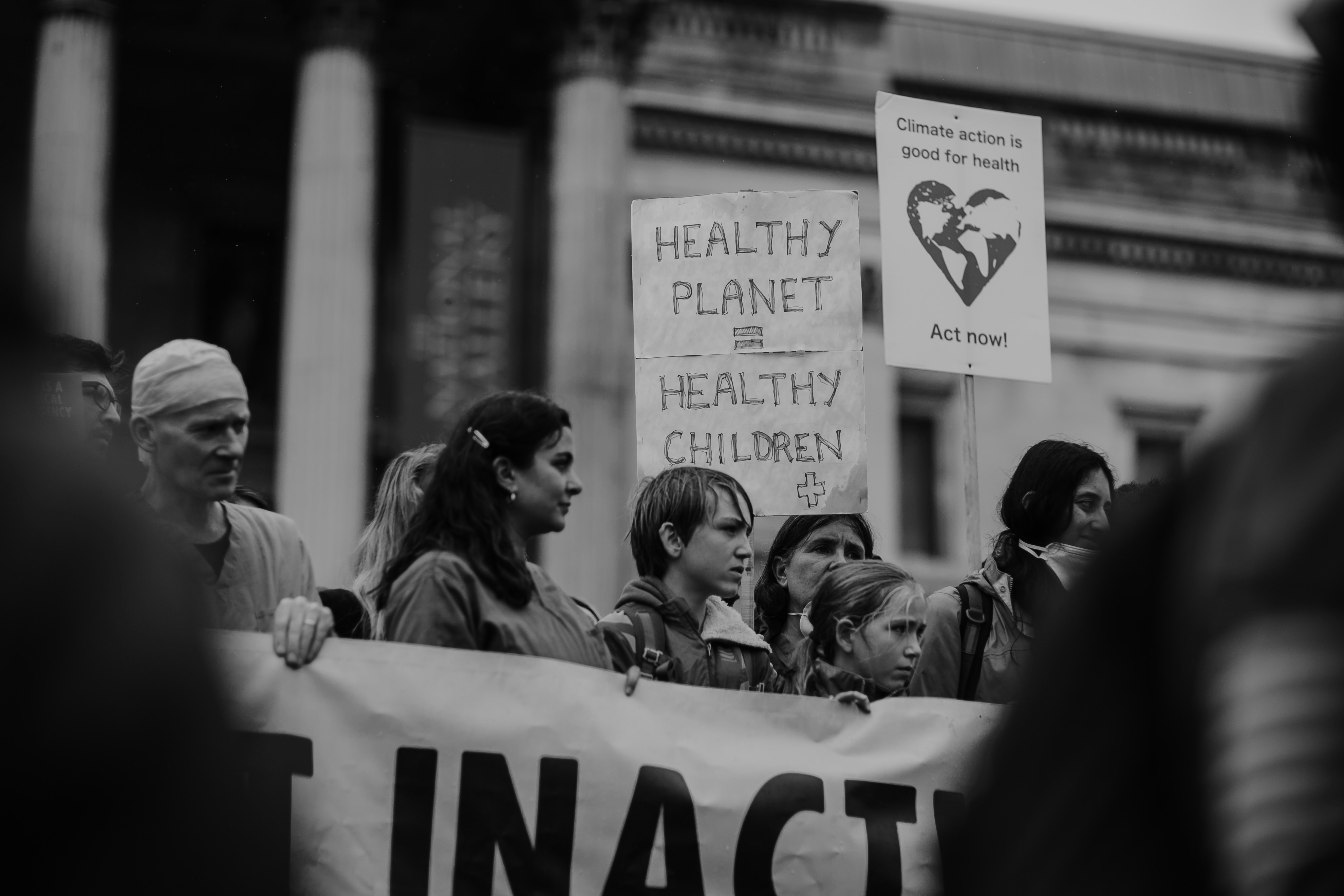
Environmental Policies: Protecting Nature for Future Generations
By: Pedro Batista on July 20, 2026
Environmental Policies: Why They Matter for Us All
Introduction to Environmental Policies
Environmental policies encompass a range of regulations, guidelines, and actions undertaken by governments and organizations to manage and protect the natural environment. These policies are essential for addressing pressing environmental issues such as climate change, pollution, habitat destruction, and biodiversity loss. In defining environmental policies, it is crucial to understand that they are designed not only to safeguard ecosystems but also to promote sustainable development practices that benefit society as a whole.
Historically, the evolution of environmental policies can be traced back to key legislative milestones. In the USA, the establishment of the Environmental Protection Agency (EPA) in 1970 marked a significant turning point in the country’s approach to environmental governance. This agency was tasked with enforcing regulations that protect air and water quality, as well as managing waste disposal. Such developments were primarily a response to growing public awareness of environmental degradation and mobilization around issues like the 1969 Santa Barbara oil spill and the publication of Rachel Carson’s Silent Spring.
Over the years, various local, state, and federal laws have emerged, broadening the scope of environmental protection measures to include:
Conservation of natural resources
Climate action
Sustainable land-use practices
The objectives of environmental policies are multifaceted and may vary depending on the context in which they are implemented. However, at their core, these policies aim to:
Promote human health
Preserve biodiversity
Maintain ecological balance
Looking toward 2026, ongoing debates are expected regarding the impact of these policies on economic growth and their role in combating climate change. Striking a balance between economic advancement and environmental stewardship remains one of the greatest challenges facing policymakers today.
The Role of Government in Environmental Policy
Government bodies play a critical role in the formulation, enforcement, and evaluation of environmental policies, which have far-reaching implications for sustainability and public health.
Local Government Initiatives
City and municipal governments often implement policies such as:
Zoning laws that preserve green spaces
Recycling programs
Industrial emission regulations
Incentives for sustainable business practices
These initiatives reflect local environmental priorities while encouraging community participation.
National Environmental Leadership
At the federal level, agencies like the Environmental Protection Agency (EPA) are responsible for:
Enforcing environmental regulations
Conducting scientific research
Monitoring pollution
Educating the public
Federal policies frequently align with international climate commitments such as the Paris Agreement.
International Cooperation
Environmental challenges extend beyond national borders. Governments collaborate through international treaties addressing:
Climate change
Biodiversity protection
Deforestation
Pollution reduction
International cooperation enables countries to exchange knowledge and strengthen environmental protection worldwide.
Key Environmental Policies and Legislation
Several major environmental laws have significantly improved environmental quality and public health.
Clean Air Act
Originally enacted in 1963, the Clean Air Act established federal and state regulations designed to reduce air pollution.
Its major achievements include:
Lower emissions
Improved air quality
Better public health outcomes
Clean Water Act
The Clean Water Act established regulations governing pollutants discharged into waterways.
Its objectives include:
Protecting drinking water
Improving water quality
Supporting wastewater treatment infrastructure
Paris Agreement
Adopted in 2015, the Paris Agreement represents one of the world’s largest collaborative climate initiatives.
Participating countries commit to:
Limiting global warming
Reducing greenhouse gas emissions
Expanding renewable energy
Reporting national climate goals
These initiatives continue to shape environmental policy as nations move toward a more sustainable future.
The Impact of Environmental Policies on Society
Environmental policies influence many aspects of everyday life.
Public Health Benefits
Environmental regulations improve public health by reducing pollution and increasing access to cleaner air and water.
Examples include:
Vehicle emission standards
Industrial pollution controls
Clean energy programs
These measures reduce respiratory illnesses while lowering healthcare costs.
Economic Effects
Environmental regulations can stimulate economic growth by creating jobs in renewable energy industries.
However, businesses may also experience:
Higher compliance costs
Increased operational expenses
Greater investment in sustainable technologies
These costs may eventually affect consumer prices.
Social Equity
The benefits of environmental policies are not always distributed equally.
Some disadvantaged communities continue to experience:
Higher pollution exposure
Limited access to green spaces
Greater environmental risks
Addressing these inequalities remains an important policy objective.
Challenges in Implementing Environmental Policies
Although environmental policies offer many benefits, implementation presents several challenges.
Political Opposition
Decision-makers sometimes prioritize short-term economic growth over long-term environmental protection.
Political resistance may result from:
Industry lobbying
Economic concerns
Regulatory disagreements
Economic Constraints
Budget limitations can delay environmental projects.
Governments often must balance funding between:
Healthcare
Infrastructure
Education
Environmental initiatives
Technological Limitations
Successful implementation frequently depends on access to advanced technologies.
Some regions lack the resources necessary to adopt:
Renewable energy systems
Green infrastructure
Sustainable industrial processes
Compliance and Enforcement
Even strong environmental laws require effective enforcement.
Common challenges include:
Limited regulatory resources
Insufficient inspections
Weak monitoring systems
Poor compliance mechanisms
Global Perspectives on Environmental Policies
Environmental policies vary considerably across countries.
The United States
The USA often emphasizes market-based environmental solutions while increasingly incorporating scientific research into policymaking.
Europe
European countries generally adopt stricter environmental regulations focusing on:
Carbon reduction
Renewable energy
Sustainable development
The European Union coordinates many of these efforts through common environmental standards.
Emerging Economies
Countries such as Brazil, India, and China face the challenge of balancing economic development with environmental sustainability.
Many have strengthened climate commitments under international agreements while continuing industrial expansion.
The Future of Environmental Policies
Environmental policy continues to evolve as governments respond to emerging environmental challenges.
Technology and Environmental Governance
New technologies are improving environmental decision-making.
Examples include:
Artificial Intelligence (AI)
Internet of Things (IoT)
Environmental monitoring systems
Real-time climate data
These tools enable policymakers to respond more quickly and accurately.
Public Participation
Modern environmental policy increasingly emphasizes citizen involvement.
Community participation improves:
Transparency
Accountability
Policy effectiveness
Public trust
Priorities for 2026 and Beyond
Future environmental strategies are expected to focus on:
Climate resilience
Renewable energy
Sustainable urban planning
International cooperation
How Individuals Can Influence Environmental Policy
Citizens play an important role in shaping environmental policies.
Voting
Supporting candidates committed to sustainability can directly influence environmental legislation.
Community Involvement
Individuals can participate by:
Joining environmental organizations
Attending community meetings
Organizing clean-up events
Advocating for local environmental initiatives
Supporting Sustainable Businesses
Consumers encourage environmental responsibility by purchasing products and services from companies that prioritize sustainable practices.
Raising Awareness
People can promote environmental protection through:
Social media
Educational campaigns
Public discussions
Community outreach
Conclusion: The Collective Responsibility
Environmental policies are essential for protecting ecosystems, supporting public health, and ensuring a sustainable future.
Their success depends not only on governments but also on businesses, communities, and individuals working together toward common environmental goals.
As environmental challenges continue to grow, particularly approaching 2026 and beyond, collective action will remain fundamental to building a healthier and more sustainable world for future generations.
Pedro Batista Holds a degree in Communication with a specialization in Digital Marketing strategies. Working as a writer, he creates well-researched content, transforming complex information into accessible and engaging articles for a wider audience.