City Planning: Creating Greener and More Livable Cities
By: Pedro Batista on July 20, 2026
Última atualização em: julho 21, 2026
Sustainable City Planning: Building Greener, More Livable Cities for 2026 and Beyond
Sustainable city planning combines mixed-use development, green spaces, smart infrastructure, and community input to help cities handle growth, climate change, and quality of life all at once — and it’s only becoming more urgent as 2026 approaches.
Sustainable city planning — often called urban planning — is the process of designing and regulating land use so cities can grow in an organized way. It matters more than ever as global population keeps shifting toward urban living. Without a clear strategic framework, cities end up dealing with overcrowding, traffic congestion, and public services stretched too thin.
Good planning goes beyond function — it’s what makes a city feel vibrant and livable. Effective sustainable city planning weighs transportation, housing, green space, and cultural preservation together, building a stronger sense of community and better quality of life along the way.
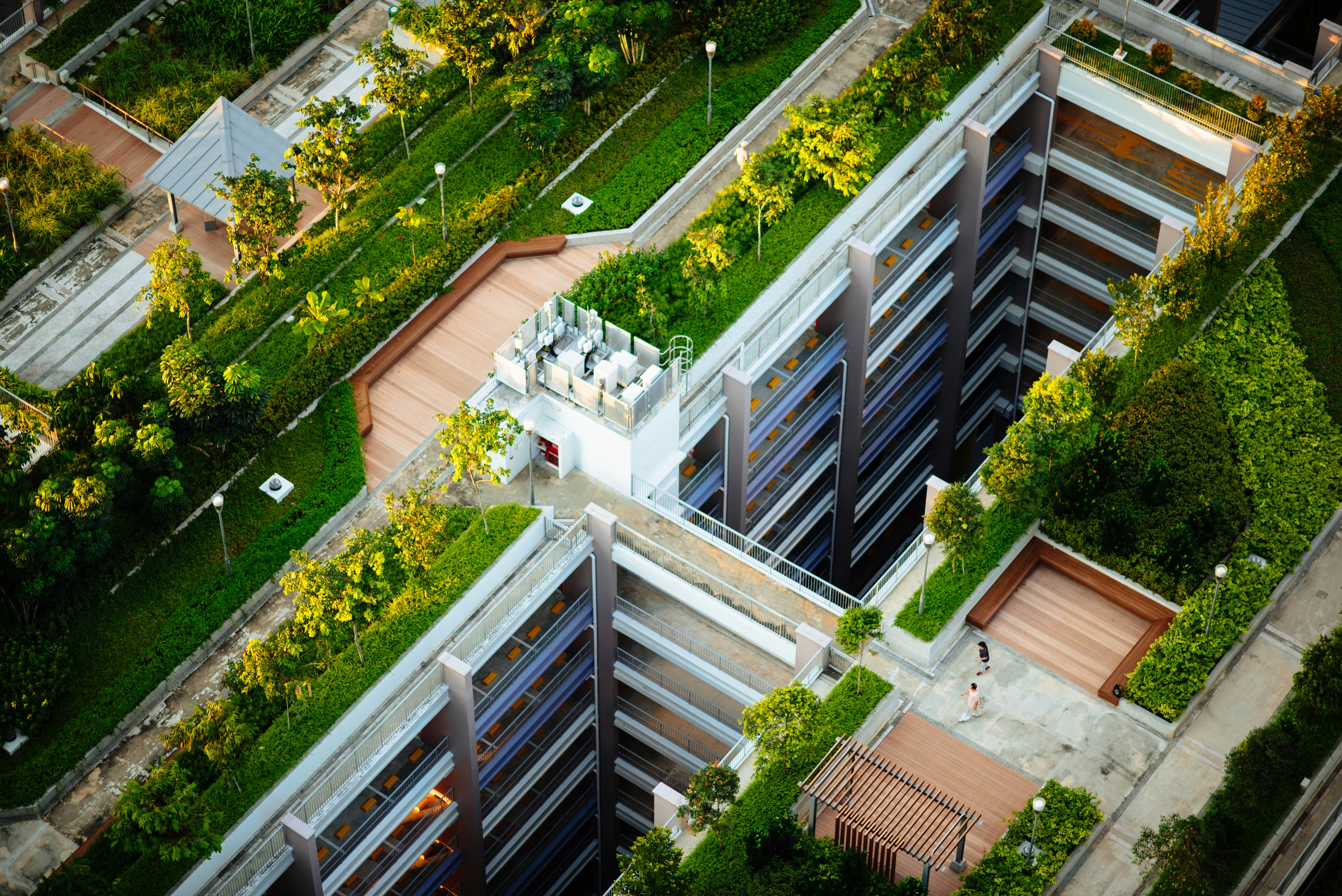
Increasingly, planners are prioritizing environmental resilience, weaving parks, green roofs, and biodiversity into the urban landscape to counter the effects of sprawl and industrialization. At the same time, smart technology is becoming part of the toolkit, helping cities respond faster to residents’ needs. Looking ahead to 2026, sustainable city planning will remain central to building urban environments that can adapt and thrive. For broader context on how U.S. cities are approaching this shift, the U.S. Department of Housing and Urban Development tracks federal urban policy initiatives.
Core Principles of Sustainable City Planning
Sustainable city planning rests on a handful of core principles that balance environmental health, economic viability, and social equity.
Mixed-use development
One foundational principle is mixed-use development — letting residential, commercial, and public spaces coexist. This cuts down on long commutes, easing traffic congestion and lowering carbon emissions while supporting local economic activity.
Walkability
Equally important is walkability. Safe crosswalks, pedestrian pathways, and easily reachable amenities encourage walking over driving, which benefits both public health and the environment.
Green spaces
Parks, gardens, and green corridors support both ecological balance and mental health. They improve air quality, provide wildlife habitat, and boost property values by making neighborhoods more appealing.
Public transportation
Finally, reliable public transit is the backbone of any sustainable plan — cutting emissions, easing congestion, and ensuring equitable access to opportunity across a city.
Why Green Spaces Matter So Much
Green spaces have become a central focus of sustainable city planning, and for good reason — their benefits touch nearly every part of urban life.
Cleaner air
Trees and plants act as natural filters, absorbing carbon dioxide and releasing oxygen — a real benefit in cities dealing with heavy vehicle and industrial pollution.
Stronger communities
Parks and gardens double as gathering spaces, supporting recreation and social connection. That communal function plays a meaningful role in mental health and neighborhood cohesion.
More biodiversity
Rather than staying concrete jungles, cities with well-planned green space support real ecosystems — plant and animal life that adds resilience against climate change.
Given all this, integrating green space isn’t optional for cities serious about sustainable city planning — it should remain a top priority for planners heading into 2026.
Smart Infrastructure: The Technology Side of Sustainable City Planning
Technology is becoming a core part of sustainable city planning, helping cities use resources more efficiently while cutting environmental impact.
Energy-efficient buildings
Advanced materials, passive solar heating, and smart HVAC systems are helping new buildings dramatically cut energy use without sacrificing comfort.
Renewable energy integration
Solar, wind, and geothermal systems are increasingly powering buildings and transit networks, supported by federal and local incentives that also create jobs in green technology.
Sustainable transportation
Electric buses, bike-sharing, and pedestrian-friendly design are cutting both congestion and emissions, while smart traffic systems use real-time data to keep vehicles moving instead of idling.
Together, these pieces make smart infrastructure a foundational part of building livable American cities by 2026.
Why Community Engagement Is Central to Sustainable City Planning
No sustainable city planning effort succeeds without real input from the people who actually live in a city. Engaging residents builds ownership and ensures designs reflect real needs, not just planners’ assumptions.
Forums, workshops, and digital outreach
Public forums and workshops let residents share concerns directly, while online surveys and social media extend that reach to a much broader audience than traditional meetings allow.
Closing the feedback loop
Just as important: keeping residents updated on how their input shaped outcomes. That transparency builds trust and keeps people engaged for future planning cycles.
As cities look toward 2026, community voice will only become more central to shaping how sustainable city planning actually plays out on the ground.
Case Studies: Cities Getting Sustainable Planning Right
A handful of cities offer real-world proof that sustainable city planning works.
Copenhagen, Denmark
Copenhagen is aiming to become the world’s first carbon-neutral city by 2025, with over 40% of residents now commuting by bike. Rooftop gardens and wind power have further improved air quality and cut the city’s carbon footprint.
Singapore
Singapore’s “Garden City” initiative has built vertical gardens and ensured parks sit within a 10-minute walk of every resident — a strong example of merging biophilic design with dense urban development.
Portland, Oregon
In the U.S., Portland has used zoning policy to favor eco-friendly building and stronger public transit, balancing urban density with real habitat protection.
These examples show that even with real obstacles — funding, public pushback — greener planning consistently delivers measurable gains in livability.
Challenges Standing in the Way
Despite clear benefits, sustainable city planning faces real hurdles.
Funding gaps
Municipal budgets often favor short-term needs over long-term sustainability goals, and private investment can be hard to secure without obvious short-term payoff.
Political will
Commitment to sustainability can shift with changes in leadership, and inconsistent policy support can stall promising initiatives.
Outdated infrastructure
Many American cities were built without modern sustainability in mind, leaving aging roads and transit systems that are expensive and complex to upgrade.
Community resistance
Residents sometimes resist new projects over fears of displacement or rising taxes — concerns that participatory planning and clear communication can help ease.
Overcoming these barriers takes innovative funding, consistent political backing, infrastructure investment, and genuine community engagement.
Where Sustainable City Planning Is Headed
Looking ahead, several trends are shaping the next phase of sustainable city planning across the U.S.
Resilience planning
Cities are increasingly building capacity to withstand flooding, heatwaves, and other climate-related events, integrating green infrastructure as a core defense.
Climate adaptation
Public spaces, transit systems, and building design are being reimagined for rising temperatures and unpredictable weather, with renewable energy and better water management becoming standard practice.
Smart technology
IoT, big data, and smart sensors are helping cities make data-driven decisions on waste management and energy use, while also opening new channels of communication between officials and residents.
By 2026, the cities that combine resilience, climate adaptation, and smart technology will likely offer the most livable, interconnected experience for residents. For more detail on how U.S. cities are funding these efforts, check our guide to urban resilience funding in 2026.
The Bottom Line
Sustainable city planning is the foundation for cities that can grow without sacrificing air quality, public health, or social equity. Green spaces, efficient transit, and smart infrastructure all work together to build cities that are genuinely better to live in — not just bigger.
Community involvement remains essential throughout. Residents advocating for parks, bike lanes, and energy-efficient buildings help ensure planning reflects what people actually need, not just what looks good on paper. As cities head toward 2026, the ones that engage citizens early and often tend to build developments that meet both aesthetic and functional goals. Individuals can contribute by supporting local sustainability initiatives and staying engaged with planning discussions in their own communities. For a closer look at how specific cities are approaching this work, see our deeper case studies of leading green cities.
Pedro Batista Holds a degree in Communication with a specialization in Digital Marketing strategies. Working as a writer, he creates well-researched content, transforming complex information into accessible and engaging articles for a wider audience.