How International Relations Influence the Modern World
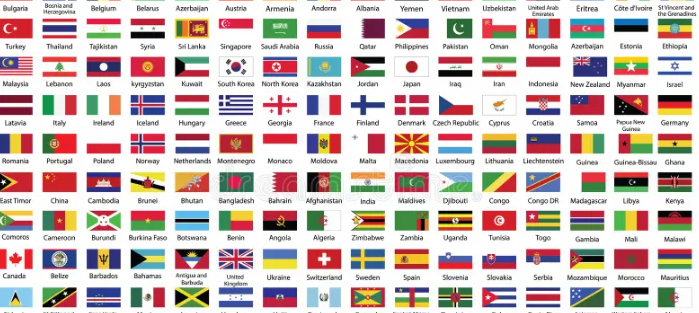
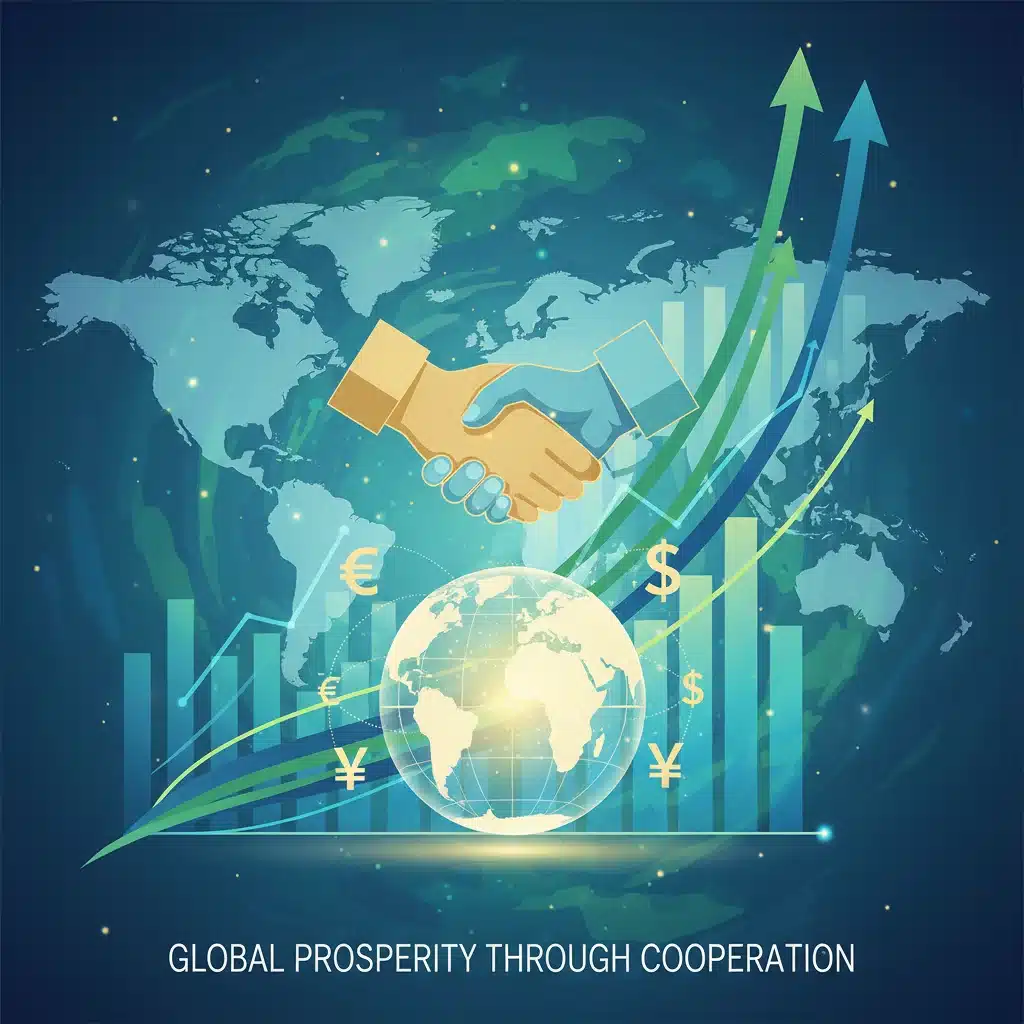
International relations shape how countries interact with one another, covering everything from diplomacy and trade to the joint response to challenges like climate change, terrorism, and economic inequality.
International relations go far beyond speeches between heads of state — it’s a web of interactions that quietly shapes your everyday life. Ever stopped to wonder how that actually works? Let’s walk through the main pieces of this topic together.
What international relations means and why it matters
When we talk about international relations, we’re really talking about how countries deal with one another — alliances, trade deals, disputes, diplomatic talks, all of it. Understanding these dynamics helps explain how the world actually works behind the scenes.
Why this matters
These relationships directly shape global peace, security, and economic stability. When countries collaborate, complex problems become easier to solve — issues like climate change, terrorism, and poverty are good examples of that.
- Strengthening cooperation between nations
- Building trust and understanding across cultures
- Creating pathways to resolve conflicts
- Driving global economic development
It’s worth remembering that these relationships also affect your daily routine in concrete ways: trade agreements influence the price and availability of goods, while international policies shape travel, immigration, and security measures.
Different forms of relationships between countries
There are different formats that structure international relations. Bilateral relationships involve just two countries, while multilateral ones bring several nations together at once — each model plays a distinct role in how global problems get addressed.
- Bilateral: direct cooperation between two countries
- Multilateral: involvement of multiple nations, as seen at the UN
- Cultural: exchange programs that bring peoples closer
- Economic: trade relationships that boost economies
Looking at these elements makes it clearer why international relations carry so much weight. We live in an interconnected world, where one country’s decision can ripple out and affect everywhere else on the planet.
The main theories behind international relations
The theories of international relations work like different lenses for interpreting global politics. Researchers and diplomats use these frameworks to try to predict and explain how countries behave on the world stage.
Realism
Realism is one of the oldest theories, built on the idea that every nation acts first in its own interest. In this view, the world is a competitive space where power and security come before anything else.
- Power shapes how states behave
- International politics is marked by the absence of a central authority
- Military strength is seen as essential to national security
This theory helps explain recurring conflicts between nations and why military capability remains a relevant factor in how countries relate to one another.
Liberalism
Liberalism sees things differently: it bets on cooperation over confrontation, arguing that countries can work together for mutual gain. This school of thought also supports building international organizations and treaties as tools for peace and stability.
- International institutions encourage cooperation
- Trade creates interdependence between countries
- Democracies tend to maintain more peaceful relations with one another
For liberals, dialogue and collaboration are more effective paths for tackling shared challenges and improving global governance.
There’s also constructivism, a theory that looks at the social factors shaping each state’s identity and interests. It highlights how beliefs, norms, and values influence international relations, and how the global landscape shifts as new ideas emerge and spread.
Each of these theories contributes in its own way to understanding international relations, serving as a foundation for discussions on global issues and guiding those who need to make decisions in an increasingly interconnected world.
The role of diplomacy in building peace
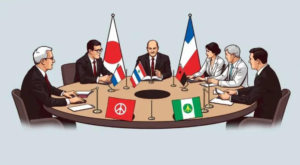
Diplomacy is a critical piece of maintaining peace in today’s world. It brings together the methods countries use to manage their relations and resolve conflicts without resorting to force. Through dialogue and negotiation, misunderstandings can be avoided before they escalate into bigger conflicts.
Forms of diplomacy
There are different ways to practice diplomacy. Bilateral diplomacy happens between two countries, allowing for more focused conversations on specific issues. Multilateral diplomacy brings several nations together at once to tackle global challenges.
- Bilateral: direct talks between two nations for cooperation
- Multilateral: participation of multiple nations in the search for shared solutions
- Public diplomacy: engaging with foreign publics to build mutual understanding
- Track II diplomacy: informal dialogue conducted by non-governmental actors
Each of these formats plays a unique role in maintaining peace, helping countries find common ground and strengthen alliances.
Peace negotiations
Peace negotiations are among the most decisive moments in diplomacy. They create space for parties in conflict to sit down and discuss their differences. Diplomats act as mediators, trying to bring positions closer together and propose solutions acceptable to all sides. When successful, a negotiation can result in treaties that lock in peace for years to come.
Diplomacy also keeps communication channels open during moments of crisis. When misunderstandings arise, these channels help resolve the situation before it spirals out of control — a preventive approach that’s essential for keeping tensions from turning into open conflict.
In short, diplomacy is the backbone of international relations: it promotes dialogue, understanding, and ultimately, peace between nations.
The major global challenges facing international relations today
The challenges facing international relations today are numerous and complex. In an increasingly connected world, issues like climate change, terrorism, and economic inequality stand out as real threats, requiring countries to join forces in search of solutions.
Climate change
Climate change is among the most urgent challenges of our time. As temperatures rise, countries face increasingly extreme weather events, affecting food security, water resources, and even migration patterns.
- More frequent natural disasters threaten entire communities
- Global warming is linked to species extinction
- Cutting carbon emissions requires collaboration between nations
This challenge calls for urgent action from governments, businesses, and individuals — all at the same time.
Terrorism
Terrorism remains a growing concern for international security. Attacks cause loss of life and spread fear across entire populations. That’s why countries need to collaborate on intelligence-sharing and joint counter-terrorism strategies.
- International cooperation is essential in fighting terrorism
- This involves exchanging information and resources between countries
- Tackling root causes helps prevent the rise of extremist ideologies
Working together, countries can develop more effective strategies to reduce this threat and increase safety for everyone.
Economic inequality
Another critical challenge is economic inequality. Disparities between countries can create instability and even open conflict. Narrowing these gaps is essential for building lasting peace and cooperation between nations.
The gap between rich and poor countries can heighten social tensions and generate internal instability. To address this, countries need to prioritize fairer trade practices and sustainable development strategies.
By tackling these challenges, nations move toward a more stable and cooperative global landscape — solutions that, more often than not, require courage and collective effort, recognizing that the future is shared.
How technology is reshaping international relations
Technological progress plays an increasingly decisive role in how countries relate to one another. The fast pace of innovation has changed how nations communicate, negotiate, and make decisions, making traditional diplomatic channels faster and more efficient.
Communication technologies
Tools like the internet and social media have completely transformed international diplomacy. Instant messaging and video conferencing let leaders connect in real time, speeding up important decisions and helping countries react faster in a crisis.
- Real-time communication speeds up diplomatic responses
- Social media can influence public opinion and government policy
- Virtual summits cut down on travel costs and time
These tools not only bring countries closer together but also increase transparency in international dealings.
Cybersecurity
As technology advances, cybersecurity has become a central concern in international relations. Countries need to protect their digital infrastructure from attacks that could compromise essential services and national security itself.
Cooperation on cybersecurity is essential, since countries share information to protect their systems. Global agreements help set standards for protecting sensitive data and ensuring safer digital interactions.
Artificial intelligence
Artificial intelligence is another advancement reshaping international relations. Beyond transforming entire industries, it’s already being used in defense strategies, raising important ethical questions about surveillance, military use, and global security.
As countries look to capture the benefits of AI, they also need to manage the risks it brings — including the need for clear regulations on its use in armed conflict and decision-making processes.
Technological advances are a key piece of today’s diplomatic efforts. They open up new possibilities for collaboration but also bring challenges that require careful management. Understanding these shifts helps nations build a safer, more cooperative global landscape.
Frequently asked questions about international relations
What are the main challenges facing international relations today?
The main challenges include climate change, terrorism, and economic inequality — issues that require joint effort between nations.
How does technology impact international relations?
Technology speeds up communication and negotiation processes, allowing for faster responses and more efficient diplomacy.
What role does diplomacy play in building peace?
Diplomacy creates space for dialogue between countries, helping resolve conflicts and build trust through negotiation.
Why is international cooperation essential for tackling global issues?
Because it allows countries to share resources, knowledge, and strategies, making it easier to address issues that affect multiple nations at once.
Related Posts: